
Jurassic Cop is more than just an action-packed thriller; it cleverly weaves in social commentary that reflects real-world issues. From exploring themes of justice and morality to highlighting the complexities of authority and community trust, the film invites viewers to think beyond the surface.
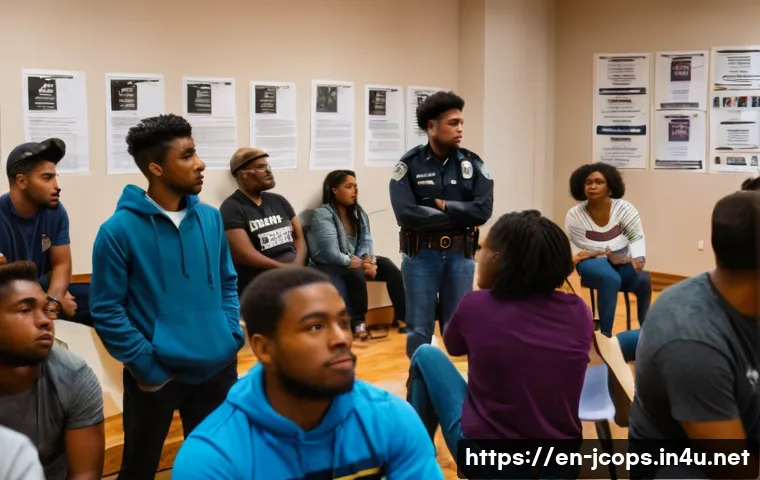
Its blend of humor and suspense makes these messages accessible without feeling preachy. Watching it, I realized how relevant these topics remain in today’s society, especially as we navigate challenges in law enforcement and social responsibility.
Let’s dive deeper and uncover the powerful social messages Jurassic Cop brings to the screen!
Challenging Traditional Justice Narratives
Questioning the Black-and-White Morality
One of the most striking elements in Jurassic Cop is how it dismantles the simplistic idea of good guys versus bad guys. Instead of painting characters as purely heroic or villainous, the film delves into the gray areas of morality.
I found myself constantly re-evaluating who to root for because the protagonist sometimes bends the rules, while antagonists occasionally show moments of humanity.
This complexity makes the story resonate on a deeper level, reflecting how real-life justice is never clear-cut. It’s a refreshing departure from typical action flicks where moral lines are sharply drawn.
The Impact of Vigilante Justice
The movie also explores the allure and dangers of taking the law into one’s own hands. The main character’s actions border on vigilantism, which raises uncomfortable questions about the legitimacy of authority and the consequences of bypassing legal systems.
Watching these scenes, I couldn’t help but think about the real-world debates surrounding community-led justice efforts and their potential for both good and harm.
Jurassic Cop doesn’t shy away from showing the fallout of such choices, urging viewers to consider the balance between order and chaos.
Justice System Flaws Highlighted
Another layer of the film’s social commentary lies in its portrayal of the justice system’s imperfections. It subtly critiques bureaucratic delays, corruption, and the difficulty of achieving true fairness.
The frustration experienced by characters trapped in these flawed systems felt authentic, echoing many public concerns about law enforcement and judicial processes today.
This portrayal encourages empathy for those navigating these challenges, rather than simply vilifying institutions outright.
Authority and Distrust: A Complicated Relationship
Portraying Law Enforcement as Human
Jurassic Cop goes beyond glorifying police officers by depicting them as flawed individuals, struggling with personal and professional dilemmas. This humanization fosters a more nuanced understanding of law enforcement, showing that officers are not infallible heroes but people who can make mistakes or face ethical conflicts.
From my perspective, this approach helps bridge the gap between public perception and reality, making the film’s message more relatable and impactful.
The Fragile Trust Between Police and Community
The movie captures the fragile nature of trust between the police force and the community it serves. Scenes where misunderstandings or past grievances fuel suspicion felt particularly poignant.
It reminded me of real-life incidents where communication breakdowns have led to escalating tensions. Jurassic Cop uses these moments to emphasize the importance of transparency, accountability, and dialogue in rebuilding trust—a timely message given ongoing societal debates.
Power Dynamics and Abuse
Power imbalance is another theme subtly woven into the narrative. The film doesn’t shy away from exposing instances where authority is abused or misused, which serves as a cautionary tale about unchecked power.
The portrayal of internal corruption and favoritism felt unsettling but realistic, highlighting systemic issues that many societies grapple with. This element adds a layer of urgency to the story, reminding viewers that vigilance and reform are necessary to prevent such abuses.
Community Resilience and Social Responsibility
Collective Action Against Injustice
Jurassic Cop also shines a light on the strength that communities possess when they unite against injustice. The film shows how ordinary people, when banding together, can challenge oppressive systems or dangerous elements.
This narrative struck a chord with me because it celebrates grassroots activism and the power of solidarity, which are vital in addressing social problems that institutions alone cannot solve.
Individual Responsibility Within Society
Alongside collective efforts, the movie underscores the role of personal accountability. Characters who choose to act ethically, even when it’s difficult, serve as reminders that change often starts with individuals.
This theme felt particularly inspiring, encouraging viewers to reflect on their own responsibilities toward justice and fairness. The blend of suspense and humor keeps these ideas engaging rather than heavy-handed, making the film’s message more accessible.
Balancing Safety and Freedom
The tension between maintaining public safety and preserving personal freedoms is another social issue Jurassic Cop tackles. The film portrays scenarios where security measures encroach on civil liberties, prompting questions about where the line should be drawn.
This aspect resonated with me because it mirrors ongoing debates in society about surveillance, privacy, and government overreach. Jurassic Cop doesn’t offer easy answers but invites viewers to think critically about these trade-offs.
Humor as a Tool for Social Critique
Breaking Tension Without Diluting the Message
What impressed me most was how Jurassic Cop uses humor not just for entertainment, but as a clever way to make serious topics approachable. The witty dialogue and situational comedy provide relief from intense moments while reinforcing the film’s critiques.
This balance prevents the social commentary from feeling preachy or heavy, which can be a challenge in politically charged narratives.
Satire of Authority Figures
The film also employs satire to poke fun at authority figures, highlighting their absurdities and contradictions. These moments made me laugh but also think about the real-life flaws and eccentricities within institutions.
This satirical approach encourages viewers to question power structures without outright cynicism, fostering a more reflective mindset.
Engaging Diverse Audiences
By blending humor with suspense and social critique, Jurassic Cop manages to engage a wide range of audiences. Whether you’re drawn to action, comedy, or thoughtful storytelling, there’s something here that resonates.
This accessibility is key to spreading its social messages more effectively, as it invites viewers from different backgrounds to join the conversation.
Deconstructing Heroism in Modern Society
Flawed Heroes Reflect Reality

The protagonist of Jurassic Cop breaks the mold of the flawless action hero. His mistakes, doubts, and moral struggles paint a portrait of a more realistic hero—one who grows through hardship rather than embodying perfection.
This portrayal aligns with modern storytelling trends that favor complexity and relatability over idealization, making the character’s journey more compelling and believable.
The Cost of Heroism
The film doesn’t shy away from showing the personal toll that heroism can take. Physical danger, emotional strain, and social isolation are all depicted with raw honesty.
Watching these scenes made me appreciate the sacrifices involved in standing up for justice, reinforcing that heroism is often a difficult path rather than a glamorous one.
Questioning the Need for Heroes
Jurassic Cop also invites viewers to question society’s reliance on individual heroes to solve systemic problems. By highlighting collective efforts and institutional shortcomings, the film suggests that heroism should not be a substitute for broader social responsibility.
This theme encourages a shift in perspective, urging audiences to think about how communities and systems can work together to create lasting change.
Social Dynamics and Trust in the Digital Age
Information Overload and Misinformation
Though set in a high-stakes thriller context, Jurassic Cop subtly touches on challenges related to information flow in today’s world. Scenes depicting misunderstandings fueled by rumors or incomplete data reminded me of the real-world impact of misinformation, especially on public trust.
This is a timely reflection, considering how social media and rapid news cycles can distort facts and heighten tensions.
Privacy Concerns and Surveillance
The film also explores issues surrounding surveillance and privacy, particularly how technology can both protect and endanger individuals. Characters grapple with the consequences of being watched, raising ethical questions about the limits of monitoring in the name of security.
This portrayal felt very relevant, echoing ongoing societal debates about digital rights and governmental power.
The Role of Media in Shaping Perceptions
Jurassic Cop critiques how media portrayal influences public opinion, often simplifying complex issues into sensational stories. The depiction of biased reporting and selective coverage made me think about how narratives are constructed and the responsibility media holds in fostering informed discourse.
This meta-commentary adds depth to the film’s social messages, reminding viewers to approach information critically.
| Theme | Key Social Message | Real-World Parallel | Impact on Audience |
|---|---|---|---|
| Justice and Morality | Explores moral ambiguity and flaws in the justice system | Debates over law enforcement fairness and reform | Encourages critical thinking about right and wrong |
| Authority and Trust | Highlights fragile police-community relationships and power abuse | Public mistrust of institutions and calls for accountability | Fosters empathy and awareness of systemic issues |
| Community and Responsibility | Emphasizes collective action and individual ethics | Grassroots activism and civic engagement | Inspires social participation and personal reflection |
| Humor in Social Critique | Uses comedy to make heavy themes accessible | Satirical media and political commentary | Makes social messages relatable and engaging |
| Modern Heroism | Depicts flawed heroes and questions reliance on individuals | Shift toward complex protagonists in storytelling | Challenges traditional views of heroism and change |
| Digital Age Dynamics | Addresses misinformation, surveillance, and media influence | Contemporary issues of privacy and information trust | Promotes media literacy and ethical reflection |
Reflecting on Social Justice Through Cinematic Suspense
Suspense as a Vehicle for Engagement
The suspenseful pacing of Jurassic Cop keeps viewers on edge, but what’s clever is how this tension also serves to deepen the engagement with social issues.
Instead of feeling like a lecture, the film’s thrills pull you into the narrative, making the social commentary more visceral and immediate. This method worked well for me because it felt immersive rather than forced, allowing the messages to land naturally alongside the action.
Relatable Conflicts and Emotional Stakes
By embedding social themes within personal conflicts and emotional struggles, the film ensures the issues never feel abstract. The characters’ fears, hopes, and frustrations mirror those experienced by many in society today, creating a strong emotional connection.
This approach enhances the film’s impact, as viewers aren’t just intellectually convinced but emotionally invested in the outcomes.
Encouraging Dialogue Beyond the Screen
Finally, Jurassic Cop opens the door for conversations that extend beyond the movie theater. Whether it’s discussing the ethics of justice or the role of community in safety, the film invites audiences to reflect and talk about these topics in their own lives.
From my experience, movies that spark this kind of dialogue are the ones that leave a lasting impression, making Jurassic Cop more than just entertainment—it’s a catalyst for thought and change.
Conclusion
Jurassic Cop masterfully blends thrilling action with profound social commentary, challenging viewers to rethink justice, authority, and community roles. Its nuanced characters and layered storytelling make it more than just an action film—it’s a thoughtful reflection on modern societal issues. Watching it left me both entertained and inspired to engage more deeply with these topics.
Useful Information to Keep in Mind
1. Complex characters with moral ambiguity enhance the realism and depth of storytelling, making narratives more engaging.
2. Vigilante justice raises important questions about the balance between law enforcement and personal responsibility.
3. Trust between communities and authorities is fragile but essential for social harmony and effective justice.
4. Humor and satire can make difficult social themes more accessible and thought-provoking without losing impact.
5. In the digital age, media literacy and critical thinking are vital to navigate misinformation and privacy concerns.
Key Takeaways
Jurassic Cop effectively challenges traditional views on justice and heroism by presenting morally complex characters and systemic flaws. The film emphasizes the importance of community involvement and individual ethics while highlighting the delicate trust between authorities and the public. By blending suspense with humor and social critique, it invites audiences to reflect critically on contemporary issues like misinformation, surveillance, and power dynamics, encouraging thoughtful dialogue beyond the screen.
Frequently Asked Questions (FAQ) 📖
Q: What social issues does Jurassic Cop address beyond its action scenes?
A: Jurassic Cop delves into several pressing social issues, primarily focusing on justice and morality. It challenges viewers to consider how authority figures operate within communities and how trust can be both built and broken.
The film cleverly portrays the tension between law enforcement’s duty and the ethical dilemmas they face, making it much more than just a typical action movie.
Watching it made me reflect on real-world struggles with accountability and community relationships.
Q: How does Jurassic Cop balance serious themes with entertainment?
A: The movie strikes a remarkable balance by weaving humor and suspense into its narrative. Instead of coming across as preachy or heavy-handed, it uses witty dialogue and thrilling sequences to make complex social commentary approachable.
This mix keeps the audience engaged while subtly encouraging deeper thought about issues like social responsibility and justice. Personally, I found this blend refreshing because it didn’t sacrifice entertainment value while still delivering meaningful messages.
Q: Why are the themes in Jurassic Cop relevant to today’s society?
A: The themes around authority, trust, and morality resonate strongly in today’s climate, especially as communities worldwide grapple with questions about law enforcement practices and social accountability.
Jurassic Cop highlights these challenges in a way that feels timely and relatable. After watching it, I realized how ongoing debates about fairness and ethical leadership in real life mirror the movie’s storyline, making it a compelling commentary on current social dynamics.