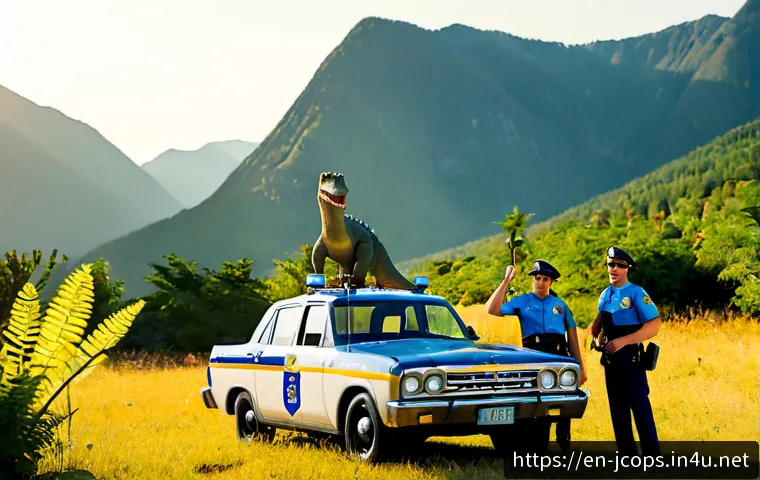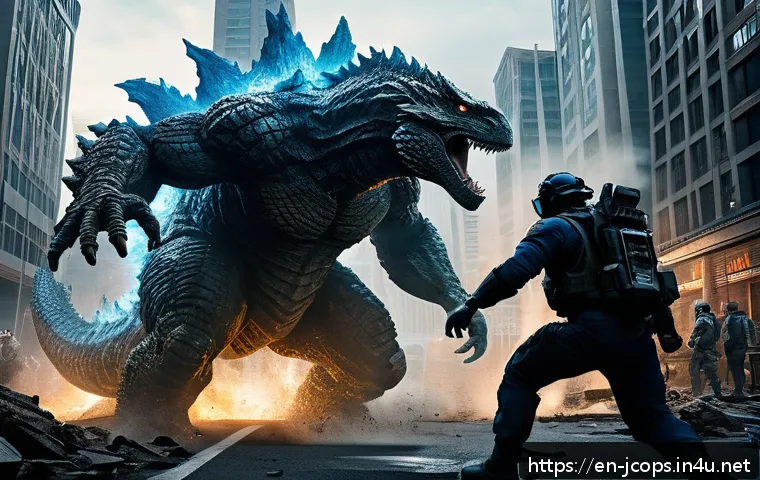
With monster movies making a roaring comeback in pop culture, fans are buzzing about the ultimate face-off between Jurassic Cops and Godzilla. These titanic clashes aren’t just about epic battles; they reflect evolving storytelling and visual effects that keep us glued to the screen.
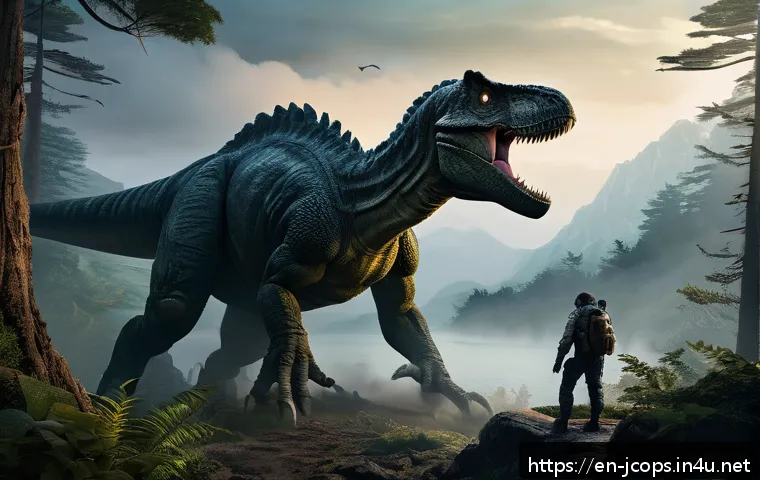
Whether you’re a die-hard kaiju enthusiast or new to the genre, this showdown offers fresh angles on classic monster madness. Let’s dive into how these films stack up in terms of action, character depth, and sheer spectacle—trust me, you won’t want to miss the surprises ahead.
Grab your popcorn, because this cinematic clash is about to get legendary!
Mastering the Art of Monster Action: Beyond the Roar and Smash
Innovative Combat Choreography That Keeps You on Edge
The fight scenes in both franchises showcase a remarkable evolution in how giant creatures clash. Unlike the straightforward slugfests of older monster flicks, these battles are layered with tactical maneuvers, environmental interaction, and unexpected twists.
For instance, Jurassic Cops cleverly use their surroundings—crumbling buildings, underground tunnels—to outwit Godzilla’s brute force. It’s not just about raw power anymore; it’s about brains meeting brawn in a cinematic dance.
Watching these sequences unfold, you feel the tension rise and fall, making every punch and tail swipe feel earned and impactful.
Visual Effects That Blend Reality and Fantasy Seamlessly
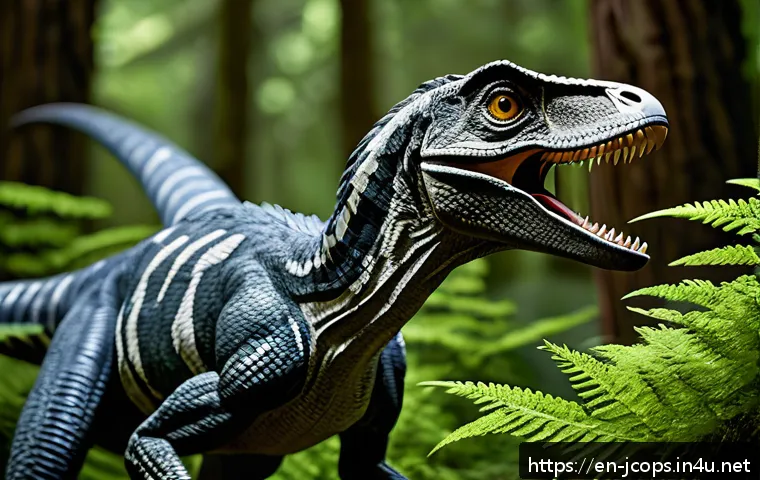
The CGI and practical effects teams behind these films deserve a standing ovation. Jurassic Cops deliver a gritty, almost tactile sense of realism with every scale and claw detail, while Godzilla’s glow and atomic breath light up the screen with jaw-dropping intensity.
The seamless integration of these effects with live-action footage makes the monsters feel alive, almost tangible. I remember sitting in the theater, marveling at how the dust, debris, and water splashes behaved exactly like they would in real life, which really pulled me deeper into the chaos of the fight.
This level of craftsmanship elevates the spectacle beyond mere spectacle—it becomes an immersive experience.
Dynamic Camera Work That Amplifies the Scale and Drama
The directors didn’t just rely on static shots to capture these titans; instead, they use sweeping aerial views, shaky close-ups, and slow-motion moments to amplify emotional beats and scale.
The camera often shifts perspectives, sometimes making you feel like a tiny bystander caught in the crossfire, other times zooming in to catch the raw emotion in a monster’s eyes or a human character’s reaction.
This fluid visual storytelling adds layers of drama and urgency, making the monster battles not just about destruction but about the stakes involved.
Unraveling the Layers: Characters Who Ground the Chaos
Human Heroes with Grit and Heart
One of the standout features in these movies is how the human characters aren’t just filler—they have depth, motivations, and arcs that intertwine with the monster narrative.
In Jurassic Cops, the law enforcement team isn’t just there to shoot at monsters; they have personal stakes, complex relationships, and moments of vulnerability that make their survival feel genuinely suspenseful.
I found myself rooting for them not just as spectators but as fellow humans caught in an impossible situation. Their struggles add emotional weight to the monster mayhem, reminding us that these giant battles affect real lives.
Monsters with Personality and Purpose
Both Godzilla and the Jurassic creatures aren’t just mindless beasts; they have distinct personalities shaped by their lore and history. Godzilla’s stoic yet destructive nature contrasts with the more aggressive, sometimes cunning behavior of the Jurassic Cops’ creatures.
This difference adds a psychological edge to the confrontations—each monster fights with a reason, be it territorial defense, survival, or instinctual rage.
This nuance makes the battles richer, as you’re not just watching destruction but witnessing two forces with their own codes clash.
Supporting Cast That Enhances the Storytelling
The secondary characters, from scientists to civilians, add texture and layers to the plot. Their discoveries, fears, and reactions provide context and urgency, making the monster threat feel pervasive and real.
I particularly appreciated how their interactions sometimes mirror our own reactions to the unknown—curiosity, fear, hope, and resilience. These human elements keep the story grounded and relatable amid the fantastical chaos.
The Spectacle of Scale: How Size and Setting Shape the Story
Epic Cityscapes as Battlegrounds
The urban environments in these movies are more than backdrops; they’re active participants in the story. Skyscrapers crumbling, highways buckling, and bridges collapsing create a visceral sense of scale that emphasizes the monsters’ immense size and power.
Watching a towering beast topple a building, then see the human characters navigating the wreckage, really drives home how small we are in comparison.
This interplay between monster and environment creates breathtaking scenes that stay etched in your memory.
Natural Landscapes That Contrast the Chaos
When the action shifts away from cities, the natural settings offer a refreshing change of pace and highlight different facets of the monsters. Dense forests, rocky cliffs, and open seas serve as arenas where strategy and stealth come into play.
These quieter moments allow the audience to appreciate the monsters’ behavior in their element, adding depth beyond just destruction. It also underscores the theme of nature’s power and unpredictability, a reminder that these creatures are forces of the earth itself.
Using Scale to Build Tension and Awe
The filmmakers expertly use the monsters’ size not just for spectacle but to build suspense. Shots that emphasize how small humans are, or how vast the destruction could be, keep viewers on edge.
For example, a slow reveal of a monster’s full form towering over a city street creates a mix of awe and dread that’s hard to shake. This manipulation of scale keeps the audience emotionally invested and heightens the stakes with every scene.
Soundscapes and Music: The Heartbeat of Monster Mayhem
Roars and Rumbles That Send Shivers Down Your Spine
The sound design in these films is nothing short of phenomenal. Every roar, stomp, and crash feels meticulously crafted to evoke a visceral reaction. I still remember the first time hearing Godzilla’s iconic roar booming through the theater—it wasn’t just noise; it was an emotional punch that made the hairs on my arms stand up.
Similarly, Jurassic Cops use unique creature sounds that blend animalistic growls with mechanical echoes, giving their monsters a distinct identity. These auditory elements immerse you fully into the chaos.
Musical Scores That Elevate the Drama
The scores complement the action perfectly, shifting from ominous low tones during tense build-ups to triumphant crescendos in moments of victory. The music guides your emotional journey, subtly manipulating your feelings without overpowering the scenes.
What I love is how the composers blend orchestral grandeur with modern electronic elements, reflecting the blend of ancient monsters and contemporary settings.
This fusion keeps the soundtrack fresh and memorable.
The Role of Silence and Ambient Noise
Interestingly, the absence of sound in key moments amplifies the impact when the action explodes back to life. Quiet scenes where only the wind or distant echoes are heard create a sense of anticipation and unease.
This strategic use of silence makes the subsequent roars and crashes hit even harder, proving that sometimes less is more in crafting an immersive soundscape.
Exploring Themes: What These Monster Stories Really Say
The Balance Between Nature and Humanity
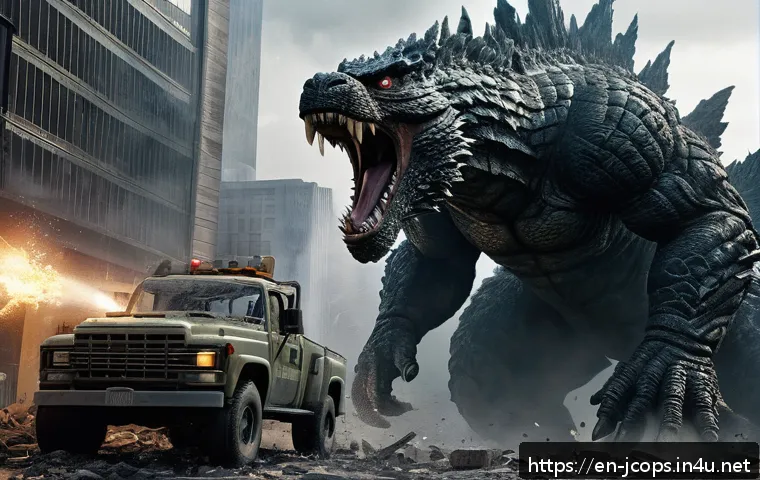
Both franchises delve deep into humanity’s relationship with nature—whether it’s respect, fear, or recklessness. Jurassic Cops, with their law enforcement angle, often touch on themes of control and responsibility, questioning if humans should interfere with nature’s titans.
Godzilla’s legacy, on the other hand, frequently symbolizes nature’s retaliation against human hubris, a warning wrapped in epic battles. These themes resonate today as environmental concerns grow, making the films feel timely and meaningful.
Survival and Adaptation Under Pressure
At their core, these stories are about survival—of individuals, species, and ecosystems. The monsters adapt, evolve, and fight for dominance, mirroring human struggles in a harsh world.
This universal theme adds emotional resonance, making the creatures’ clashes symbolic of broader life challenges. It’s fascinating how these giant monsters can reflect such human experiences, turning pure action into thoughtful storytelling.
The Power of Unity and Conflict
The films also explore how cooperation and conflict shape outcomes. Whether it’s humans banding together or monsters clashing for territory, the stories highlight the complexity of alliances and rivalries.
These dynamics add layers to the plot, showing that battles aren’t just physical but also strategic and emotional. This makes the viewing experience richer and more engaging, as you start rooting for different sides and appreciate the gray areas between good and evil.
Breaking Down the Key Differences: A Quick Comparison
| Aspect | Jurassic Cops | Godzilla |
|---|---|---|
| Combat Style | Tactical and environment-based, using strategy over brute force | Raw power with iconic atomic breath and physical dominance |
| Visual Effects | Highly detailed, gritty realism with practical effects integration | Grandiose and luminous, emphasizing scale and energy |
| Character Focus | Strong human team dynamics with emotional arcs | Monsters as symbols with deep lore, humans often secondary |
| Setting | Urban jungles with intense tactical battlegrounds | Varied landscapes including cities, oceans, and wastelands |
| Sound Design | Unique creature sounds blending natural and mechanical | Iconic roars with powerful, immersive soundscapes |
| Thematic Elements | Human responsibility and law enforcement in chaos | Nature’s wrath and balance with human impact |
Fan Engagement and Cultural Impact
Building Communities Around Shared Monster Madness
The resurgence of monster movies has sparked vibrant fan communities that thrive on discussion, fan theories, and fan art. Jurassic Cops’ gritty realism appeals to fans who love tactical thrillers with a twist, while Godzilla’s legendary status unites kaiju lovers worldwide.
I’ve seen firsthand how these fandoms create online spaces where people share their favorite scenes, debate monster abilities, and celebrate the genre’s history.
This engagement keeps the excitement alive long after the credits roll.
Merchandising and Collectibles That Fuel Passion
From detailed action figures to limited-edition posters, the merchandising around these franchises is booming. Collectors eagerly snap up everything from miniature Jurassic Cops vehicles to Godzilla statues, creating a tangible connection to the movies.
This merchandising not only supports the studios financially but also deepens fan loyalty, turning casual viewers into lifelong enthusiasts. Personally, I’ve found that owning a piece of the franchise enhances the viewing experience, making it feel more personal and immersive.
Influence on Other Media and Pop Culture
The impact of these films goes beyond the screen, inspiring video games, comic books, and even themed events. Jurassic Cops’ gritty, law-enforcement approach has influenced action games that blend monster hunting with tactical gameplay.
Godzilla’s iconic image appears in everything from music videos to fashion, symbolizing strength and resilience. This cross-media presence keeps the monsters relevant and introduces them to new audiences, ensuring their legacy endures.
Future Prospects: What’s Next for Monster Movie Fans?
Innovations in Technology and Storytelling
As technology advances, future monster movies promise even more breathtaking visuals and immersive experiences. I’m particularly excited about the possibilities of virtual reality and augmented reality, which could let fans step into the monster battles themselves.
Storytelling is also evolving, with creators exploring more complex narratives and character-driven plots that go beyond simple destruction, making the genre richer and more compelling.
Expanding Universes and Crossovers
There’s growing buzz about potential crossovers and expanded universes that could bring together multiple monster franchises. Imagine Jurassic Cops teaming up or facing off with other legendary kaiju beyond Godzilla.
These ambitious projects could create epic storylines and broaden fan appeal, blending different styles and mythologies in exciting ways. It’s a thrilling time to be a monster fan, with endless possibilities on the horizon.
Community and Interactive Experiences
Future fan engagement might also move toward more interactive experiences, such as live events, immersive exhibitions, and online platforms where fans can influence story outcomes.
These innovations would deepen the connection between audience and franchise, making each release a shared adventure. From my perspective, this evolution will keep the genre fresh and ensure that monster movies remain a beloved part of pop culture for years to come.
In Conclusion
Mastering monster action goes far beyond simple destruction—it’s about blending strategy, emotion, and breathtaking visuals to create unforgettable cinematic moments. These films succeed because they give depth to both monsters and humans, making the chaos feel personal and impactful. As a fan, I’ve found myself fully immersed in the evolving storytelling and stunning effects, eager for what the future holds. The genre is alive and thriving, promising even more exciting adventures ahead.
Helpful Information
1. Monster battles today combine tactical combat with environmental interaction, making fights more engaging and realistic.
2. Cutting-edge visual and sound effects play a crucial role in immersing viewers in the world of giant creatures.
3. Human characters with meaningful arcs add emotional depth that balances the spectacle of monster clashes.
4. The use of scale and setting enhances the storytelling by emphasizing the monsters’ power and the stakes involved.
5. Fan communities and merchandising help keep the excitement alive, creating lasting connections beyond the screen.
Key Takeaways
Understanding monster action means appreciating the blend of innovative choreography, layered storytelling, and technical mastery. Both franchises demonstrate how well-developed characters and themes can elevate monster movies from mere spectacle to emotionally resonant narratives. The ongoing evolution of technology and fan engagement ensures the genre’s continued relevance and growth, making these films much more than just giant creatures battling it out.
Frequently Asked Questions (FAQ) 📖
Q: How do Jurassic Cops and Godzilla movies differ in their approach to monster battles?
A: Jurassic Cops tends to blend high-octane human action with monster chaos, often focusing on elite teams trying to contain or combat prehistoric beasts.
Godzilla films, on the other hand, emphasize colossal scale and ancient mythos, with the monster itself often portrayed as a force of nature or a protector.
While Jurassic Cops deliver fast-paced tactical fights, Godzilla movies build tension through awe-inspiring visuals and epic showdowns. Both offer thrilling battles, but their storytelling styles and pacing create distinct viewing experiences.
Q: Are there any standout characters or storylines that make these monster movies more than just action spectacles?
A: Absolutely. In Jurassic Cops, the human characters—usually a mix of military experts, scientists, and sometimes morally complex figures—bring emotional weight and personal stakes that keep viewers invested beyond the monster chaos.
Godzilla movies often explore themes of environmentalism, humanity’s hubris, and the balance between destruction and protection, with Godzilla himself sometimes acting as a symbolic character.
These layers add depth, making the films resonate emotionally while delivering jaw-dropping action.
Q: What makes the visual effects in these films so captivating compared to older monster movies?
A: The leap in technology has been a game-changer. Modern CGI and practical effects combine seamlessly to create hyper-realistic monsters and environments, making every roar and smash feel tangible.
Jurassic Cops use detailed creature designs and dynamic camera work to immerse viewers in the heart-pounding action, while Godzilla films capitalize on massive scale and destructive power with stunning cityscapes and explosive sequences.
The result is a sensory feast that keeps audiences glued, far beyond what classic monster movies could achieve.