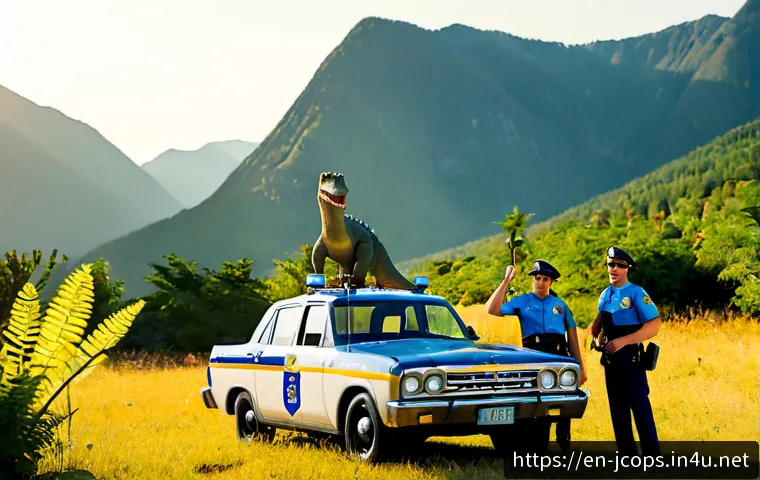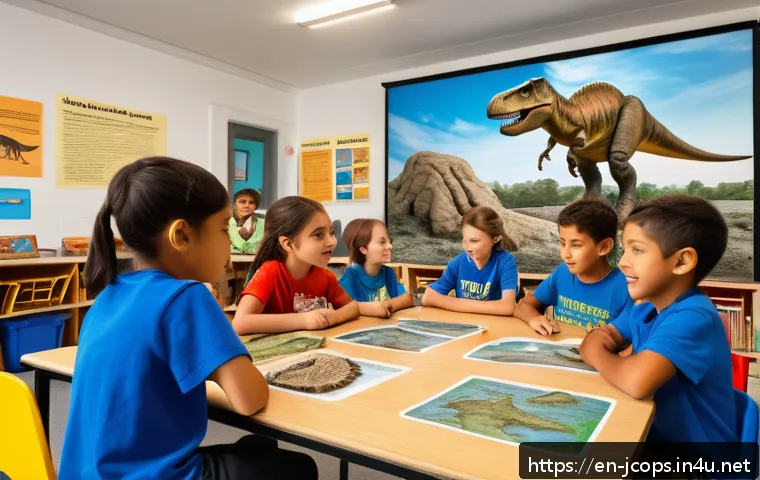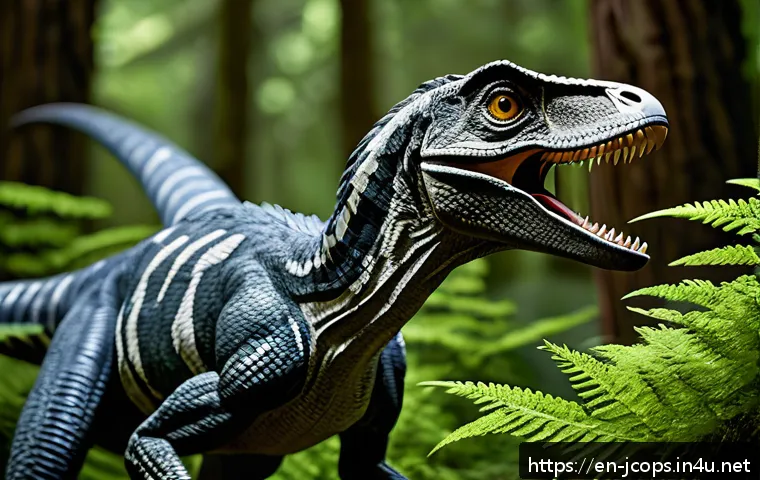
Dinosaurs have always captured our imagination, but recent discoveries and media like Jurassic Cops have reignited excitement around these prehistoric giants.
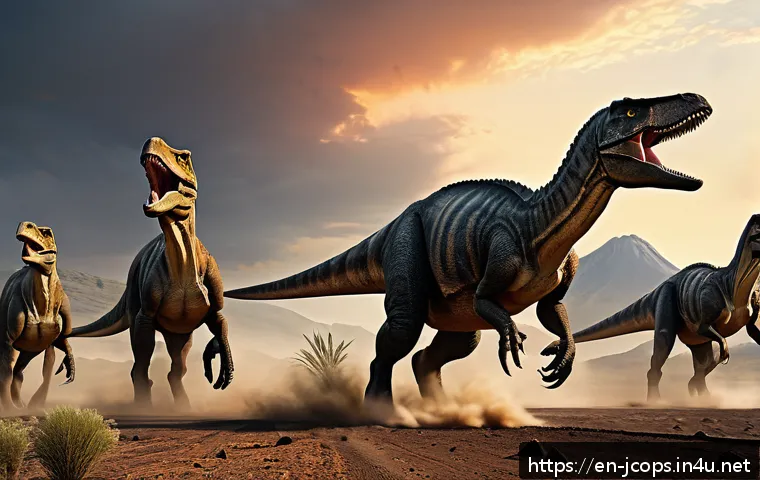
As we dive into the fascinating world of Jurassic Cops dinosaurs, understanding the distinct species and their unique traits becomes even more thrilling.
Whether you’re a long-time dino enthusiast or just curious about what sets these creatures apart, this exploration offers fresh insights and surprising facts.
Stick around as we unravel the mysteries behind these iconic species and what makes each one truly special. You won’t want to miss the chance to see dinosaurs in a whole new light!
Distinctive Hunting Styles and Adaptations
Stealth and Ambush Predators
Many Jurassic Cops dinosaurs relied heavily on stealth to catch their prey. Unlike the typical image of roaring, charging dinosaurs, these creatures often used their environment to their advantage, blending into dense foliage or hiding behind rocky outcrops.
Their sharp eyesight and keen sense of smell helped them detect prey without giving away their position. I remember watching an episode where one species patiently waited for hours, barely moving, before striking with incredible speed—showing how patience was just as vital as power in their hunting tactics.
Pack Hunting Dynamics
Not all Jurassic Cops dinosaurs hunted alone. Some species exhibited complex social behaviors, coordinating in packs to take down larger or faster prey.
This strategy required communication skills and an understanding of each member’s strengths. From my perspective, this coordination resembles how wolves hunt today, relying on teamwork to maximize success.
The energy expenditure was shared, and the reward was greater, which might explain why some species thrived while others struggled.
Specialized Physical Traits for Survival
Adaptations went beyond hunting strategies. Jurassic Cops dinosaurs developed specialized teeth, claws, and even body armor depending on their niche. For example, some had serrated teeth perfect for slicing through tough hides, while others sported thick scales or spikes to deter predators.
I find it fascinating how evolution fine-tuned these features to fit specific roles, making each species a marvel of natural engineering.
Environmental Influence on Dinosaur Diversity
Changing Climates and Habitats
The Jurassic period was marked by shifting climates that influenced the habitats dinosaurs lived in. From lush forests to arid plains, these environments shaped not only their physical characteristics but also their behaviors.
I’ve read studies showing how some species adapted by developing water-retentive skin or migrating seasonally, which is surprisingly similar to modern animal responses to climate change.
It’s like nature’s way of keeping the ecosystem in balance, forcing creatures to innovate or face extinction.
Geographical Isolation and Speciation
When landmasses separated due to tectonic movements, populations of dinosaurs became isolated, leading to speciation. This process created a variety of Jurassic Cops dinosaurs with unique traits suited to their specific regions.
I always think about how islands today foster unique species and imagine similar scenarios millions of years ago. The geographical puzzle pieces shaped evolutionary pathways in ways that still baffle scientists.
Resource Availability and Competition
Competition for food and shelter drove many evolutionary changes. Some dinosaurs evolved to become herbivores, others carnivores, and some opportunists capable of both.
The struggle for survival pushed species to exploit different niches, reducing direct competition. From what I’ve seen, this diversification allowed ecosystems to flourish, supporting a wider range of life forms than one might expect from a prehistoric jungle.
Behavioral Insights from Fossil Evidence
Fossilized Footprints and Movement Patterns
Fossilized footprints offer a rare glimpse into how Jurassic Cops dinosaurs moved and interacted. By analyzing trackways, scientists have inferred whether dinosaurs traveled in herds, hunted solo, or migrated long distances.
I was amazed to learn that some footprints suggest sudden bursts of speed, indicating predator-prey chases frozen in time. It’s like uncovering a prehistoric story written in stone, revealing moments from millions of years ago.
Nesting Sites and Parental Care
Discoveries of nesting sites have challenged the old notion that dinosaurs were indifferent parents. Evidence points to behaviors such as nest guarding and feeding young, which are surprisingly similar to birds today.
I find it heartwarming to think about these giants caring for their offspring, adding a layer of empathy to creatures often seen as ruthless predators.
It makes their world feel more relatable.
Social Interactions and Communication
Some fossils show indications of social structures, such as healed injuries implying cooperative care or display features used for communication. Visual and possibly vocal signals might have played a role in establishing dominance or attracting mates.
From my experience watching documentaries, the idea that these dinosaurs had complex social lives adds depth to their portrayal beyond just being fearsome beasts.
Comparative Anatomy and Evolutionary Links
Connections to Modern Birds
One of the most exciting revelations is the evolutionary link between Jurassic Cops dinosaurs and modern birds. Feathers, hollow bones, and similar respiratory systems highlight this connection.
I’ve personally marveled at how something as massive as a T. rex shares traits with tiny sparrows, bridging millions of years. This connection helps us understand the continuity of life and evolution’s creativity.
Skeleton Structure and Mobility
Examining skeletons reveals how structure influenced mobility and lifestyle. Some species had powerful hind limbs for sprinting, while others had robust forelimbs for grappling prey.
I find it fascinating that these anatomical features tell stories about daily survival challenges, much like how athletes’ body types today reflect their sports.
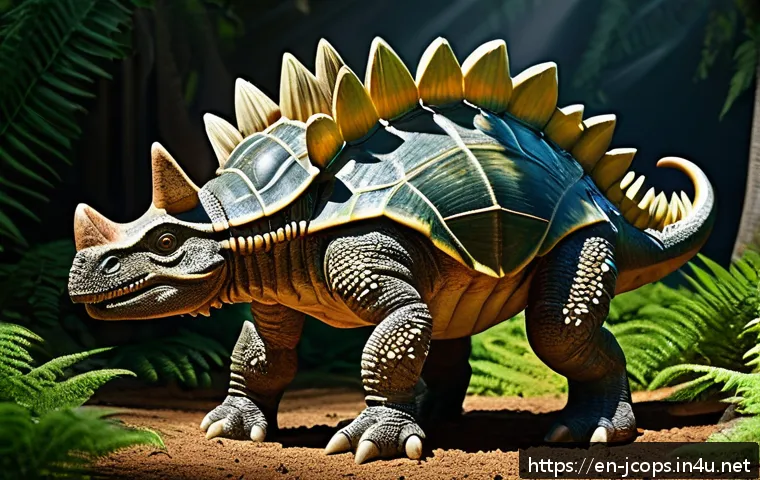
It’s a window into form meeting function in the most primal way.
Adaptive Radiation and Species Diversity
The Jurassic era saw an explosion of species variety through adaptive radiation. This process allowed dinosaurs to fill numerous ecological roles quickly.
From what I’ve gathered, the speed and scale of diversification were remarkable, reflecting a dynamic and competitive world. It’s a reminder that life’s history is filled with rapid innovation, driven by environmental pressures and genetic potential.
Dietary Habits and Ecological Roles
Herbivores: The Gentle Giants
Herbivorous Jurassic Cops dinosaurs weren’t just passive plant-eaters; they played crucial roles in shaping vegetation and ecosystems. Their feeding habits influenced plant evolution and landscape structure.
I once read about how their migration patterns helped spread seeds, effectively acting as prehistoric gardeners. This ecological role shows that even the largest dinosaurs contributed to the balance of their environment.
Carnivores: Apex Predators and Scavengers
Carnivorous dinosaurs varied from stealthy hunters to scavengers, each occupying vital ecological niches. Their predation controlled herbivore populations, preventing overgrazing.
Observing their fossilized teeth marks and bite forces reveals a brutal yet necessary aspect of survival. From my perspective, this balance of predator and prey is timeless, echoing through ecosystems even today.
Omnivores and Opportunists
Some Jurassic Cops dinosaurs adopted flexible diets, allowing them to survive in fluctuating environments. This opportunistic feeding is a strategy seen in many successful species across eras.
I find it intriguing how adaptability often trumps specialization when conditions change rapidly, highlighting the importance of versatility in evolution.
Unique Physical Features that Define Species
Distinctive Crests and Horns
Many species sported elaborate crests, horns, or frills that served multiple purposes, from defense to mating displays. These features often varied greatly even within species, suggesting a rich diversity of forms.
I’ve always been fascinated by how these structures evolved not just for survival but also for social signaling, adding complexity to their behavior.
Body Size and Proportions
From towering giants to nimble smaller species, body size played a significant role in survival strategies. Larger dinosaurs could intimidate or crush prey, while smaller ones relied on speed and agility.
I recall reading about how even slight changes in proportions could mean the difference between life and death in the wild, emphasizing evolution’s fine-tuned balance.
Skin Texture and Coloration
Though direct evidence is rare, fossilized skin impressions and comparisons with modern reptiles and birds suggest a variety of textures and colors. Camouflage, warning colors, or display patterns likely helped dinosaurs interact with their environment and each other.
Imagining these prehistoric creatures adorned with vibrant colors makes their world feel even more vivid and alive.
| Feature | Function | Example Species |
|---|---|---|
| Stealth Hunting | Ambush prey using camouflage | Velociraptor |
| Pack Hunting | Coordinate attacks to take down larger prey | Allosaurus |
| Body Armor | Defense against predators | Stegosaurus |
| Feathers | Insulation and display | Microraptor |
| Large Crests | Communication and mating displays | Corythosaurus |
| Herbivory | Shaping vegetation and seed dispersal | Brachiosaurus |
In Conclusion
Exploring the diverse hunting styles, adaptations, and behaviors of Jurassic-era dinosaurs reveals a fascinating world of survival and evolution. These creatures were far more complex than just giant reptiles, displaying remarkable strategies and social interactions. Understanding their physical traits and ecological roles helps us appreciate the intricate balance of prehistoric ecosystems. Their legacy continues to inspire curiosity and scientific discovery today.
Useful Information to Remember
1. Stealth and ambush hunting allowed some dinosaurs to conserve energy while efficiently capturing prey, highlighting patience as a key survival trait.
2. Pack hunting involved coordinated efforts that increased success rates, demonstrating early forms of social cooperation among certain species.
3. Physical adaptations like specialized teeth, claws, and body armor were crucial for defense and feeding strategies, shaped by environmental pressures.
4. Fossil evidence such as footprints and nesting sites provides valuable insights into dinosaur behavior, including movement patterns and parental care.
5. The evolutionary connection between dinosaurs and modern birds is supported by shared anatomical features, shedding light on life’s continuous development.
Key Takeaways
Recognizing the diversity in dinosaur hunting methods and physical traits underscores their adaptability within changing environments. Social behaviors and ecological roles played significant parts in their success, while fossil records enrich our understanding of their complex lives. These insights not only deepen our knowledge of the past but also highlight evolutionary principles still relevant today.
Frequently Asked Questions (FAQ) 📖
Q: What makes Jurassic Cops dinosaurs different from other dinosaur species?
A: Jurassic Cops dinosaurs stand out because of their unique adaptations and behaviors that are highlighted in the series. Unlike typical portrayals, these dinosaurs are often shown with distinct traits such as heightened intelligence, specialized hunting tactics, or unusual physical features that set them apart.
This fresh perspective adds layers to their character and makes learning about them much more engaging and dynamic.
Q: Are the dinosaurs featured in Jurassic Cops based on real scientific discoveries?
A: Many of the dinosaurs in Jurassic Cops are inspired by real species identified through paleontological research, but the show takes creative liberties to enhance entertainment value.
For example, some dinosaurs might have exaggerated abilities or hybrid traits that don’t exist in the fossil record. However, the core characteristics often reflect the latest scientific findings, making it a fun blend of fact and fiction.
Q: How can I tell the different species of dinosaurs featured in Jurassic Cops apart?
A: Recognizing the different Jurassic Cops dinosaurs comes down to noticing their size, shape, distinctive markings, and behaviors. For instance, some species have signature crests, unique skin textures, or specific hunting styles.
Watching closely and paying attention to these details, along with any explanations provided in the series, can help you appreciate the diversity and complexity of these prehistoric creatures.