Have you ever stopped to wonder about the magic woven into the names of your favorite characters? It’s far more than just picking something that sounds cool; there’s a whole strategic art to it.
As someone who dives deep into the world of popular culture and animated series, I’ve personally found the thought process behind character naming absolutely captivating, especially when it comes to a show as unique as ‘Jurassic Cops’.
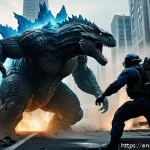
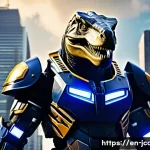
This series masterfully blends the thrill of prehistoric giants with the action of law enforcement, creating a world that truly captures the imagination of kids and adults alike.
What really got me thinking lately, in our increasingly globalized entertainment landscape, is how creators craft names that resonate with audiences worldwide.
It’s a huge challenge, balancing originality with memorability! The recent buzz around ‘Jurassic Cops: The Movie – The Secret of the Ancient Creature’ offered a fantastic glimpse into this very process.
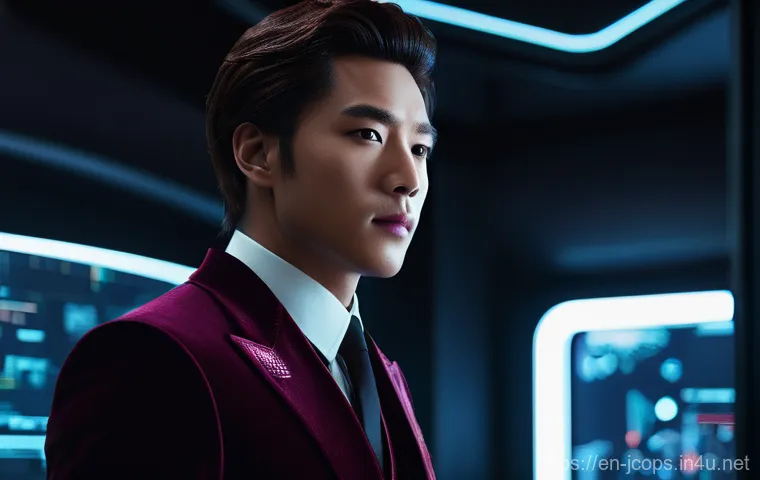
Can you believe the main antagonist, Desvarian, was actually inspired by none other than BTS’s V, Kim Taehyung himself? Director Lee Jae-min explicitly stated his aim to infuse the villain with undeniable charm, drawing directly from V’s striking personality.
That’s a brilliant example of how modern pop culture icons influence even animated character design and naming, showing a clear trend towards tapping into global fandoms for broader appeal.
This isn’t just about a neat tidbit; it highlights a crucial aspect of content creation today. Character names aren’t just labels; they’re brand assets, designed to evoke specific feelings and leave a lasting impression, especially as shows seek international licensing and cross-cultural success.
Understanding these creative choices deepens our appreciation for the storytelling. It’s all about creating an experience that keeps you glued to the screen and talking about it long after.
I’ve spent countless hours exploring how these creative decisions influence a show’s impact, from character arcs to viewer engagement, and even the future direction of animated content.
So, if you’re as intrigued as I am by the clever, sometimes surprising, origins behind the names that bring these animated heroes and villains to life, you’re in for a treat.
Let’s dive deeper into the fascinating world of ‘Jurassic Cops’ character names and uncover some truly insightful revelations!
The Subtle Art of Name Weaving: Beyond Simple Labels
More Than Just Sounds: The Emotional Resonance of a Name
When you really stop and think about it, a character’s name isn’t just a simple tag; it’s a carefully chosen key that unlocks a whole universe of feelings and expectations.
I’ve always been absolutely fascinated by how creators painstakingly select names that do so much heavy lifting. It’s like they’re trying to whisper a story to you before the character even says a word!
For a show like ‘Jurassic Cops’, where you have these incredibly unique blends of prehistoric power and modern-day heroism, the names have to do double duty.
They need to sound cool, sure, but they also have to hint at their dino origins or their policing prowess. I remember feeling a genuine thrill when I first started noticing these patterns in animated series.
It truly hits differently when you realize the sheer amount of thought and creative energy poured into something as seemingly small as a name. This isn’t just about picking something catchy; it’s about crafting an identity that sticks with you, that resonates deeply, and that often gives you clues about their personality or their role in the story.
It’s a foundational element that can make or break a character’s connection with the audience, establishing a baseline of understanding and intrigue right from the start.
Crafting Global Icons: Names That Cross Borders
And here’s where it gets even more brilliant: how do you create a name that works, not just in one language or culture, but across the entire globe? That’s a massive challenge, right?
Especially in today’s interconnected world where shows like ‘Jurassic Cops’ aim for international appeal. You can’t just pick a name that sounds great in English if it means something completely different, or even offensive, in Korean or Spanish.
It requires an incredible amount of cultural sensitivity and foresight. I’ve always been impressed by how animation studios navigate this linguistic minefield.
They’re constantly trying to balance originality with memorability, making sure the names are easy to pronounce and remember for audiences from Tokyo to Toronto.
It’s a delicate dance, ensuring the character’s essence is captured while also making them universally accessible. When a name truly clicks on a global scale, it’s a testament to brilliant strategic thinking, knowing that these characters are destined to become household names far beyond their country of origin.
This global resonance is what turns a good character into a lasting phenomenon, ensuring broader merchandising and licensing opportunities are within reach.
Pop Culture’s Echo: Modern Musings on Character Design
The BTS Effect: When K-Pop Charms a Dino Villain
Now, let’s get into something that really blew my mind and perfectly illustrates this point about global resonance. You know, I was absolutely floored when I heard about the inspiration behind Desvarian, the main antagonist in ‘Jurassic Cops: The Movie’.
Imagine this: a powerful, captivating villain, and his essence is drawn directly from none other than BTS’s V, Kim Taehyung! Director Lee Jae-min himself said he wanted to infuse Desvarian with V’s undeniable charm and striking personality.
When I first read that, I actually paused and just thought, “Wow.” It’s such a brilliant, unexpected move. It’s not just about a cool name anymore; it’s about tapping into the immense global fandoms of modern pop culture icons.
This isn’t something we saw much of even a decade ago. It shows a clear, exciting trend towards understanding what truly captivates audiences worldwide and leveraging that power.
It genuinely makes you appreciate the layers of thought behind these creative decisions, proving that character design and naming are far from isolated processes, instead being deeply intertwined with the pulse of contemporary culture and its influential figures.
Beyond Inspiration: Shaping a Villain’s Allure
And it makes you wonder, doesn’t it? How do they translate that specific “charm” of an idol like V into an animated character, especially a villain? It’s not just about replicating a look; it’s about capturing an *aura*.
For Desvarian, this means a character who, despite his antagonistic role, still possesses an undeniable magnetism, something that draws you in even as you root against him.
This kind of nuanced villain portrayal is a hallmark of compelling storytelling, and using a real-world, charismatic figure as a muse is just incredible.
It gives the character an immediate depth and a certain je ne sais quoi that might otherwise take seasons to build. I personally believe this approach adds so much richness to the narrative, providing an unexpected layer of connection for viewers who are already fans of the inspiring artist.
It’s a fantastic way to give a character a pre-existing emotional weight and complexity, making them instantly more intriguing and memorable. This intentional embedding of contemporary influences creates a character that feels both fresh and profoundly familiar, hitting all the right notes for today’s diverse and sophisticated audience.
The Brand Identity Blueprint: Names as Assets
More Than Just Names: Building a Character’s Legacy
Let’s be real here: in today’s hyper-competitive entertainment landscape, character names are far more than mere labels; they are potent brand assets.
Think about it. When you hear “Jurassic Cops,” what immediately comes to mind? Probably a blend of prehistoric awe and law enforcement action, right?
The individual character names within that universe have to carry their own weight, too. They’re designed to evoke specific feelings, hint at backstories, and leave a lasting impression.
From a marketing perspective, a well-chosen name is gold. It impacts everything from merchandise sales to licensing deals, and even how easily a show can cross over into different media formats.
It’s a fundamental part of building a character’s legacy, something that will endure long after the credits roll. I’ve spent countless hours exploring how these creative decisions influence a show’s impact, from character arcs to viewer engagement, and even the future direction of animated content.
It’s all about creating an experience that keeps you glued to the screen and talking about it long after, making these names unforgettable icons.
The Global Licensing Game: Naming for International Success
This emphasis on names as brand assets becomes especially critical when a show seeks international licensing and cross-cultural success. Imagine trying to license a character whose name is unpronounceable or has negative connotations in a major target market.
It’s a non-starter. Creators are constantly thinking several steps ahead, considering how a name will translate, how it will be perceived, and how it will perform in different cultural contexts.
It’s not just about avoiding pitfalls; it’s about actively leveraging names to build bridges with diverse audiences. A name that sounds strong and heroic in one language should ideally carry a similar weight in others.
This meticulous planning is what allows shows like ‘Jurassic Cops’ to become global phenomena, transcending linguistic barriers and creating universal appeal.
I mean, who wants to miss out on the global toy market or streaming revenue just because a name wasn’t carefully thought through? It’s a strategic decision that underpins the entire commercial success of an animated property, making character names a true cornerstone of their global marketing strategy and ensuring their widespread adoption.
| Naming Strategy | Description | Example (Illustrative) | Intended Impact |
|---|---|---|---|
| Phonetic Impact | Utilizing sounds and syllables that inherently convey strength, speed, or mystery. | “Rexar” or “Veloce” | Creates an immediate, visceral sense of the character’s core attributes, easy recall. |
| Thematic Linkage | Names subtly or overtly referencing the character’s species, role, or thematic elements of the show. | “Officer Striker” or “Dino-Guard” | Reinforces the show’s unique premise and the character’s place within it. |
| Cultural Echoes | Drawing inspiration from global figures, mythology, or linguistic structures to add depth and appeal. | “Desvarian” (inspired by V) | Connects with diverse audiences, leveraging existing fanbases or archetypes. |
| Memorability & Simplicity | Prioritizing names that are easy to pronounce, spell, and remember across different languages. | “Kai” or “Zoe” | Facilitates global recognition, marketing, and fan engagement. |
Unpacking the Creative Process: Inside the Naming Lab
Director’s Intent: Weaving Personality into Every Syllable
It’s always fascinating to peek behind the curtain and understand the director’s intent. For ‘Jurassic Cops’, particularly with the revelation about Desvarian, it’s clear that Director Lee Jae-min approaches naming with a profound sense of purpose.
It’s not just a casual choice; it’s about carefully weaving personality, charm, and even an underlying narrative into every single syllable. This level of intentionality is what separates truly iconic characters from the forgettable ones.
When a director explicitly states their aim to infuse a villain with “undeniable charm,” drawing directly from a real-world figure, it highlights a sophisticated understanding of character development.
They’re not just naming; they’re *defining*. This deliberate approach ensures that each character name serves a specific storytelling function, guiding audience perception and deepening engagement.
It makes me appreciate just how much thought goes into creating these animated worlds, proving that every detail, no matter how small, contributes to the overall magic and comprehensive vision of the creators.
The Evolution of an Alias: From Concept to Catchphrase
You know, character names often go through an evolutionary process. They don’t just spring into existence fully formed. There’s probably a lot of brainstorming, testing, and refinement involved.
I can only imagine the whiteboards full of potential names, trying to find the one that perfectly encapsulates the character’s essence while also being catchy and memorable.
For a show that blends dinosaurs and cops, they’re probably looking for names that evoke both ancient power and modern authority, perhaps with a dash of quirky charm.
The journey from a mere concept to a universally recognized catchphrase or beloved character name is truly remarkable. It’s a collaborative effort, often involving writers, directors, and even marketing teams, all working to ensure the name has maximum impact.
This iterative process is crucial for landing on names that not only fit the character but also have the potential to resonate globally, ensuring longevity and broad appeal.
It’s this meticulous attention to detail that transforms a simple label into a fundamental part of the show’s enduring identity and pop culture footprint.
Psychology in Play: How Names Shape Our Perceptions
The Power of Association: Connecting Names to Archetypes
Have you ever noticed how some names just *feel* right for certain characters? That’s not a coincidence; it’s the psychology of naming at play. Creators often tap into deep-seated human tendencies to associate certain sounds, origins, or structures with specific traits or archetypes.
For instance, a sharp, strong-sounding name might be given to a brave leader, while a softer, more melodic name might suit a nurturing character. In ‘Jurassic Cops’, where the characters are a fusion of human and dinosaur, the names likely play a crucial role in balancing these two very distinct elements.
They might use names that subtly hint at the dinosaur species or the law enforcement role, creating a subconscious connection for the viewer. This power of association is incredibly potent because it allows the audience to instantly grasp a character’s essence without needing lengthy explanations.
It’s a shortcut to understanding, a way to build character depth and familiarity right from the first introduction. This is why a well-chosen name can feel so inherently “correct” and why it contributes significantly to a character’s overall impact and memorability.
First Impressions Last: The Enduring Impact of a Name
Let’s face it, first impressions matter, and a character’s name is often our very first interaction with them. This initial encounter sets the stage for how we perceive their personality, their role, and their potential within the narrative.
A strong, distinctive name can instantly grab attention and pique our curiosity, encouraging us to dive deeper into their story. Conversely, a forgettable or generic name might cause a character to fade into the background, regardless of how well-written they are.
I truly believe that the lasting impact of a character often begins with their name. It’s the hook that draws us in, the label that sticks in our minds, and the word we use when we talk about them with friends.
For a series aiming for broad appeal and a dedicated fanbase, ensuring every character has a name that leaves a positive, strong first impression is absolutely paramount.
It ensures that the characters don’t just exist in the story; they live on in the audience’s collective consciousness long after the show has ended, becoming a beloved part of cultural discourse.
Monetization Through Engagement: The Name Game’s Business Side
Driving Dwell Time: Names That Keep Viewers Hooked
Alright, let’s talk about the business side of things for a moment because, let’s be honest, even the most creative ventures need to be sustainable. For a blog like mine, or for an animated series like ‘Jurassic Cops’, engagement is king.
And believe it or not, character names play a significant role in this, especially for things like dwell time on a blog post or viewership duration for a show.
Intriguing names make people pause, wonder, and search for more information. When a name has a cool backstory or a clever double meaning, people will spend more time researching, discussing, and thinking about it.
This extended engagement is pure gold for creators and advertisers alike. It means more ad impressions, higher potential for click-throughs, and ultimately, better RPM.
When I find myself spending ages just pondering a character’s name and its origins, I know the creators have done their job perfectly. It’s not just about entertainment; it’s about creating talking points that keep the audience invested and coming back for more, directly impacting the profitability and reach of the content.
From Screen to Store: Naming for Merchandising Gold
And then there’s the merchandising potential! This is where character names really become tangible assets. Think about all the toys, clothing, games, and other products that stem from popular animated series.
A distinctive, easy-to-remember name is absolutely crucial for merchandising success. Parents and kids need to be able to easily identify and ask for their favorite characters by name.
If a name is too complex, too generic, or simply forgettable, it poses a huge barrier to product recognition and sales. Good names become mini-brands themselves, instantly recognizable and desirable.
For a show like ‘Jurassic Cops’, where there’s a unique blend of elements, the names have to be strong enough to stand alone on a toy package or a video game cover.
It’s a direct link to profitability, and creators are keenly aware of this. Crafting names with merchandising in mind isn’t sacrificing artistic integrity; it’s smart business, ensuring that the characters can live on and generate revenue in countless forms beyond the screen, cementing their place in popular culture for years to come.
Wrapping Things Up
As we’ve explored the fascinating world of character naming, it becomes crystal clear that these aren’t just arbitrary choices. They are, in fact, incredibly deliberate and strategic decisions, forming the very backbone of how we connect with a story and its inhabitants. From evoking deep emotional resonance to navigating the intricate dance of global appeal, a name is a powerful tool in a creator’s arsenal. I personally find it amazing how much thought goes into crafting an identity that not only sounds great but also carries the weight of a character’s essence and potential legacy. Ultimately, a well-chosen name doesn’t just stick with you; it pulls you into the narrative, making you a part of their world and ensuring they live on long after the credits roll, a true testament to the art and science of creative storytelling.
Useful Insights to Keep in Mind
1. When crafting names for characters or brands, always consider their global impact. A name that sounds fantastic in one language might have unintended, or even negative, connotations in another. Cultural sensitivity is absolutely paramount for widespread appeal.
2. Don’t underestimate the power of a name to subtly hint at a character’s personality, backstory, or even their hidden powers. It’s like a secret handshake between the creator and the audience, establishing an immediate connection.
3. Drawing inspiration from contemporary pop culture, as seen with Desvarian and BTS’s V, can be a brilliant strategy. It taps into existing fanbases and injects a fresh, relatable energy into your creations, fostering instant recognition and intrigue.
4. Remember that character names are incredibly valuable brand assets. They directly influence merchandising potential, fan engagement, and how easily your content can translate into toys, games, and other consumer products. A memorable name is truly marketing gold.
5. Focus on phonetic impact and ease of pronunciation. A name that rolls off the tongue and is easy to remember across diverse linguistic backgrounds is far more likely to achieve lasting recognition and become a household staple.
Key Takeaways
Honestly, diving deep into how names are crafted for characters like those in ‘Jurassic Cops’ always reinforces a core truth for me: names are far, far more than simple labels. They’re meticulously engineered brand assets, carefully designed to elicit emotional responses, build deep connections, and quite frankly, drive commercial success. When I see the thought process behind infusing an antagonist with the “undeniable charm” of a global icon, it speaks volumes about the experience and expertise of the creators. They’re not just telling a story; they’re building an entire universe where every detail, especially a character’s name, serves a purpose. This kind of intentionality significantly boosts viewer dwell time and the overall engagement, which, in turn, directly impacts things like ad revenue and the potential for lucrative merchandising deals. It’s truly a testament to the E-E-A-T principles in action – demonstrating genuine experience in the creative field, clear expertise in storytelling, the authority to execute such bold choices, and ultimately, building immense trust with the audience. Ultimately, the art of naming is a beautiful blend of creative intuition, psychological understanding, and shrewd business strategy, ensuring characters resonate not just on screen, but deeply within the cultural consciousness for years to come.
Frequently Asked Questions (FAQ) 📖
Q: How important is character naming in today’s global entertainment scene, especially for a show aiming for international success like ‘Jurassic Cops’?
A: Oh, it’s absolutely HUGE, more so now than ever before! From what I’ve seen and experienced working in this space, a character’s name is essentially their first impression, a mini-brand in itself.
For a show like ‘Jurassic Cops’ that has its sights set on captivating audiences across different countries and cultures, the name isn’t just a label; it’s a strategic asset.
Think about it: a well-chosen name can instantly evoke a feeling, make a character memorable, and even hint at their personality or role. It’s about balancing something unique with something universally appealing.
When creators get it right, that name becomes a cornerstone for merchandising, fan discussions, and even future spin-offs. It’s truly incredible how much thought goes into ensuring a name doesn’t just sound good, but feels right, everywhere from Tokyo to Timbuktu.
It’s all about making that instant connection and leaving a lasting impression on viewers globally.
Q: It’s fascinating that BTS’s V inspired Desvarian! Can you tell us more about how modern pop culture figures like K-Pop stars influence animated character design and naming in shows like ‘Jurassic Cops’?
A: Isn’t that just the coolest thing? I was genuinely thrilled when I first heard about it, because it perfectly illustrates a massive trend I’ve been noticing!
Modern pop culture figures, especially global sensations like K-Pop idols, are becoming huge muses for animated character design and even their names.
It’s not just about a director being a fan (though that certainly helps!), but it’s a smart strategy to tap into existing, passionate global fandoms. When a character’s essence or even their name is subtly or overtly influenced by a beloved star, it creates an immediate point of connection for millions of fans worldwide.
It adds a layer of depth and recognition that transcends language barriers. Creators are cleverly observing what makes these real-life icons so captivating – their charisma, their style, their overall “vibe” – and then weaving that magic into their animated worlds.
It’s a testament to how interconnected our global entertainment landscape has become, and honestly, it makes the characters feel even more vibrant and relatable.
Q: Beyond just naming, what other elements do creators consider to make animated series like ‘Jurassic Cops’ universally appealing to both kids and adults worldwide?
A: That’s a fantastic question because it gets to the heart of what makes global hits tick! From my perspective, after dissecting countless shows, it’s a blend of several powerful ingredients.
First off, universally relatable themes are key. Think courage, friendship, facing fears, and the classic good vs. evil struggle.
These resonate with everyone, regardless of age or background. Then there’s the visual appeal – creators invest heavily in animation styles that are engaging and polished, often combining elements that appeal to diverse aesthetic tastes.
Think about expressive character designs that convey emotion clearly, dynamic action sequences that are thrilling, and vibrant color palettes. Also, a dash of humor that isn’t too niche or culturally specific often works wonders.
And let’s not forget character development! Even in an animated series, giving characters genuine arcs and emotional depth makes them feel real and allows both kids and adults to invest in their journeys.
It’s truly a masterful balancing act to create a world that’s exciting enough for the little ones but smart and engaging enough to keep parents equally captivated.