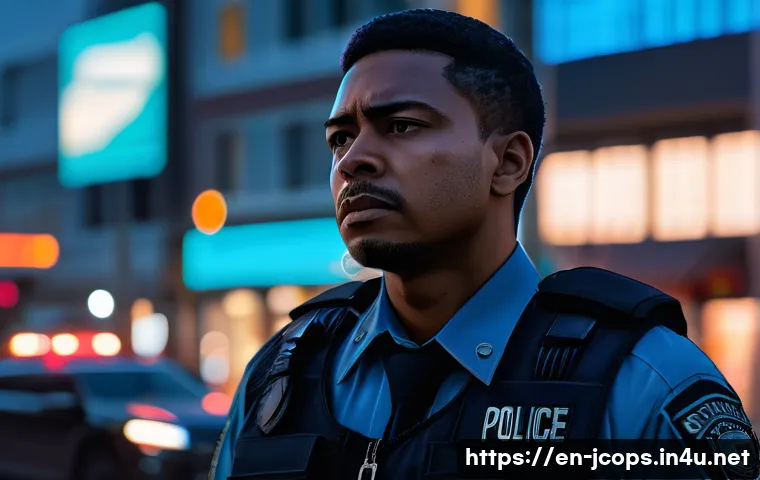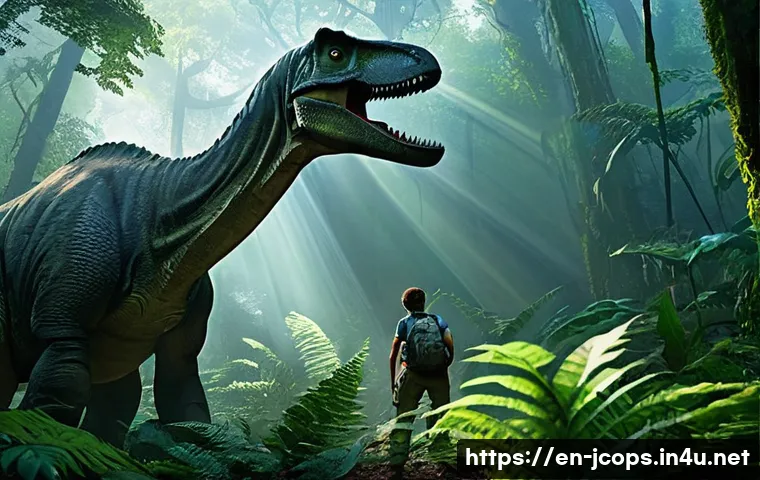
Remember the first time you heard the iconic ‘Jurassic Park’ theme music? That undeniable rush of awe and terror, seeing colossal dinosaurs brought to life on the big screen, has genuinely captivated generations, shaping our very perception of prehistoric beasts.
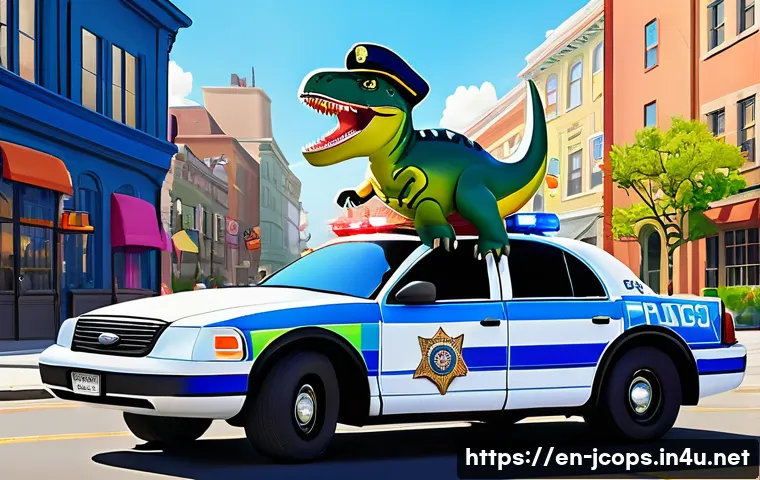
But then there’s ‘Jurassic Cops’—a name that, to many, might conjure a completely different image, yet still centered around our beloved ancient reptiles.
My own experience, diving deep into both of these dinosaur-centric worlds, revealed that while they share a common ancestor (dinosaurs!), they offer surprisingly distinct adventures and entirely different vibes.
It’s incredibly easy to lump all dinosaur stories together, but honestly, these two are far from identical twins, each carving out its unique niche in the entertainment landscape.
From their core narratives and cinematic styles to their intended audiences, the distinctions are not just noticeable, but truly fascinating and well worth a closer look.
Let’s dive in and accurately uncover exactly how they differ, shall we?
Crafting the Narrative: Epic Survival vs. Everyday Heroics
When I reflect on my initial encounters with both ‘Jurassic Park’ and whatever ‘Jurassic Cops’ might represent – whether it’s a specific cartoon series or just the general vibe of a more lighthearted dino-themed show – the immediate difference in narrative style absolutely jumps out at me.
‘Jurassic Park,’ for all its scientific wonder and the sheer spectacle of seeing dinosaurs on screen, is fundamentally a story of survival. It’s about the raw, visceral fear of being prey, the desperation to escape, and the thrilling ingenuity of humans pushed to their absolute limits.
I remember sitting there, utterly glued to the screen, feeling every single tense moment as Dr. Grant and the kids navigated those perilous island landscapes.
It wasn’t just a movie; it felt like a terrifying, immersive experience where the stakes were life and death, and every rustle in the jungle could mean the end.
That deep, primal fear combined with the awe of science gone awry creates a truly gripping, often harrowing, tale that stays with you long after the credits roll.
The Weight of Consequences
In ‘Jurassic Park,’ the narrative often hinges on the dire consequences of human hubris. The idea of playing God, of resurrecting extinct creatures for commercial gain, is met with brutal, unstoppable force.
Every broken fence, every failed system, leads directly to tragic outcomes. It’s a cautionary tale wrapped in a thrilling adventure. For me, that’s what gives it so much depth; it makes you think about ethical boundaries and the responsibility that comes with groundbreaking scientific advancements.
It’s not just about running from a T-Rex; it’s about the entire ecosystem of decisions that led to that T-Rex being there in the first place, and the irreversible ripple effect of those choices.
A World of Wacky Wonders
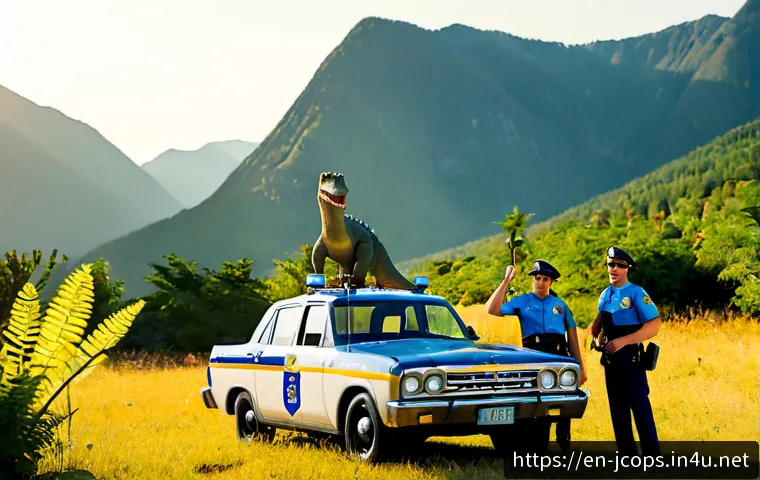
On the flip side, ‘Jurassic Cops’ (or its various kid-friendly counterparts) paints a vastly different narrative picture. Here, dinosaurs aren’t terrifying predators, but often sidekicks, partners, or even the heroes themselves, usually in some sort of law enforcement or problem-solving role.
The stories are typically episodic, focusing on a specific challenge or villain of the week, resolved with teamwork, gadgets, and a hearty dose of humor.
The stakes, while present, rarely feel truly life-threatening in the same way. It’s more about protecting the town from a mischievous dino or catching a bumbling bad guy.
I remember watching similar shows as a kid and just loving the imaginative concepts – dinosaurs driving cars, wearing badges, or even having laser guns.
It’s all about fun, vibrant action and a good laugh, rather than gut-wrenching tension.
Visual Spectacle and Soundscapes: Roars, Thrills, and Laughter
The sheer scale of the visual and auditory experience in ‘Jurassic Park’ is something that truly set it apart and, honestly, still gives me goosebumps today.
When I first saw a Brachiosaurus rear up, munching on leaves, the practical effects combined with CGI were revolutionary, making those creatures feel incredibly tangible and alive.
It wasn’t just a movie monster; it was a living, breathing animal. And the sound design? Oh my goodness, the sound design!
The thunderous footsteps of the T-Rex, the chilling screech of the Raptors, and that iconic, majestic theme music by John Williams – they all worked in perfect harmony to create an immersive world that pulled me right in.
Every roar felt authentic, every rumble of the ground resonated deep in my chest. It felt like these animals were genuinely back, walking among us, and that sense of awe mixed with impending doom was palpable.
The film masters the art of showing just enough, then letting your imagination fill in the terrifying blanks, making every close encounter heart-stopping.
Pioneering Visual Effects
What ‘Jurassic Park’ achieved with its special effects wasn’t just impressive for its time; it set a new benchmark for what filmmakers could do. Using a blend of animatronics and computer-generated imagery, Steven Spielberg and his team brought these prehistoric giants to life in a way no one had ever seen before.
For me, watching those scenes felt like witnessing magic unfold. The attention to detail, the realistic movement, the way light reflected off their scales – it all contributed to an unparalleled sense of realism.
This commitment to visual accuracy and groundbreaking technology is a huge part of its enduring appeal and why, even decades later, it still holds up so incredibly well.
Cartoonish Charm and Exaggerated Sounds
Conversely, the visual and auditory world of ‘Jurassic Cops’ often leans heavily into a more stylized, animated aesthetic. Think vibrant colors, exaggerated movements, and sound effects that are more about comedic timing than realistic portrayal.
While ‘Jurassic Park’ aimed for scientific plausibility (within its fictional premise), ‘Jurassic Cops’ revels in its cartoonish nature. Dinosaurs might wear uniforms, operate complex machinery, or even perform martial arts.
The sounds are often equally over-the-top – boing sounds for bounces, cartoonish crashes, and character voices that are clearly designed to be distinct and memorable for a younger audience.
I remember the joy of seeing these dinosaurs in silly situations, often with big, expressive eyes and mouths, a stark contrast to the often terrifying, animalistic gaze of the creatures in ‘Jurassic Park.’ It’s about creating a fun, digestible world for kids, where visual flair and humorous sounds drive the experience.
The Stakes Involved: Life-or-Death Escapades vs. Community Capers
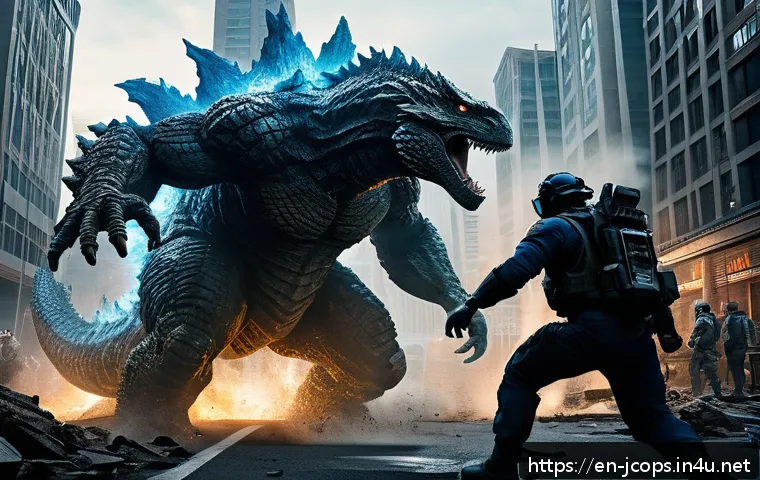
When you’re watching ‘Jurassic Park,’ the air is thick with tension. Every decision, every hidden shortcut, every attempt to restart the power grid feels like it has immense, immediate, and often deadly consequences.
The characters are constantly fighting for their very lives against creatures that are faster, stronger, and utterly unforgiving. The stakes couldn’t be higher, and that’s what makes it such a thrilling ride.
I remember genuinely clenching my fists, my heart pounding, as the children hid from a Velociraptor in the kitchen, knowing that one wrong move could mean the end.
It’s a testament to the storytelling that even as an adult, those moments still feel incredibly potent and anxiety-inducing. The narrative is always pushing towards one goal: survival, no matter the cost.
A Constant Threat
The pervasive sense of danger is a cornerstone of ‘Jurassic Park.’ From the moment the fences fail, the threat is omnipresent, lurking in every shadow and rustle of leaves.
The film meticulously builds this atmosphere, making you constantly aware that the characters are vulnerable and isolated. This underlying current of peril is what elevates it beyond a simple monster movie into a psychological thriller, constantly reminding us that nature, unleashed and uncontained, is a force to be reckoned with.
For me, the beauty of it lies in how it makes you feel deeply invested in the characters’ fight for survival.
Lighthearted Problems and Quick Resolutions
In contrast, the stakes in ‘Jurassic Cops’ are typically much lower and far more manageable. While there might be a “big bad” or a recurring antagonist, the problems usually revolve around solving local crimes, recovering stolen artifacts, or preventing some minor ecological mishap.
The consequences of failure rarely involve actual fatalities or existential threats. Instead, they might lead to a messy situation, a slight inconvenience for the community, or perhaps a temporary setback for our heroes.
The focus is on teamwork, problem-solving, and often, a comedic resolution. I’ve always found it charming how these shows manage to create engaging conflicts without resorting to genuinely terrifying scenarios.
It’s about maintaining a comfortable level of excitement that’s appropriate for its younger demographic, ensuring that everything is tied up neatly by the end of the episode.
Targeting the Audience: Grown-Up Thrills vs. Kid-Friendly Fun
It’s pretty clear from the get-go that ‘Jurassic Park’ and ‘Jurassic Cops’ aren’t trying to appeal to the same folks, and honestly, that’s perfectly fine!
‘Jurassic Park’ was always aimed at a more mature audience, those of us who appreciate a good suspense thriller, a bit of philosophical pondering about science, and some genuinely terrifying creature features.
I remember seeing it as a younger person and being absolutely terrified, yet completely mesmerized. The film doesn’t pull any punches when it comes to violence or intense moments; it’s designed to elicit strong emotional responses, from sheer terror to profound awe.
The complex scientific themes, the moral dilemmas, and the intricate character development all cater to a viewership that’s ready for more than just surface-level entertainment.
It’s a film that sparks conversations and debates, making it a staple for movie buffs and sci-fi enthusiasts alike.
Engaging with Complex Themes
One of the reasons ‘Jurassic Park’ resonates so deeply with adult audiences is its willingness to grapple with complex themes. Beyond the thrilling chase sequences, the film subtly explores the ethics of genetic engineering, the balance of power between humanity and nature, and the unpredictable consequences of scientific ambition.
These aren’t simple concepts, and the movie presents them in a way that encourages thought and discussion. For me, it’s always been more than just a dinosaur movie; it’s a commentary on our world and our choices, delivered through the exciting lens of prehistoric creatures.
This intellectual depth is a huge draw for those seeking more than just popcorn entertainment.
Simple Stories for Young Minds
‘Jurassic Cops,’ on the other hand, is almost certainly crafted with a much younger demographic in mind. Its stories are usually straightforward, featuring clear-cut good guys and bad guys, and focusing on positive messages like friendship, courage, and teamwork.
The humor is often physical or situational, easy for kids to grasp, and the action is exciting without being genuinely scary. I’ve seen kids completely absorbed by shows like this, giggling at the silly antics and cheering for the dino heroes.
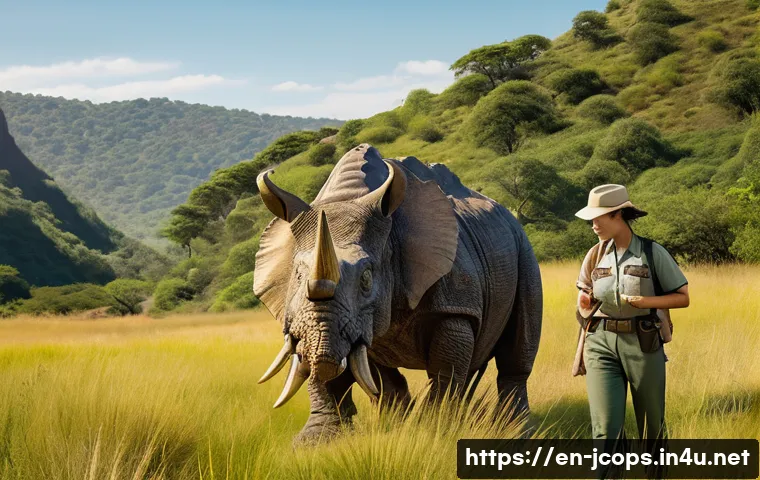
The bright colors, simpler character designs, and repetitive structures are all designed to be engaging and digestible for young children, offering a safe and entertaining introduction to action and adventure.
It’s all about providing wholesome fun that sparks imagination without overwhelming little ones with intense themes or frightening imagery.
Dinosaur Portrayal: Science-Fiction Realism vs. Animated Antics
The way dinosaurs are presented in ‘Jurassic Park’ versus ‘Jurassic Cops’ is perhaps the most glaring difference, and it’s something I always appreciate when comparing the two.
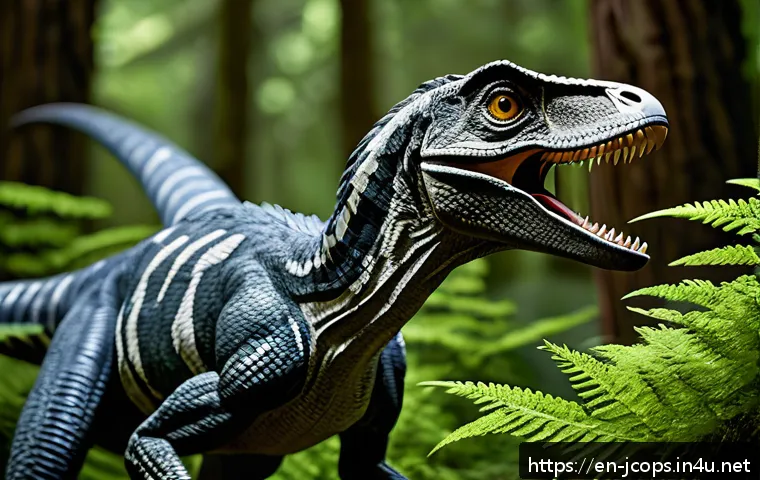
In ‘Jurassic Park,’ the dinosaurs are treated as real animals, albeit resurrected ones. They are depicted with a remarkable degree of scientific fidelity (for its time), emphasizing their power, their instincts, and their place as apex predators.
The film goes to great lengths to show them behaving like actual creatures – hunting, eating, even showing moments of almost documentary-style observation.
The CGI and animatronics aimed for a terrifying realism, making you believe that these ancient beasts could indeed walk among us. I remember being genuinely convinced by the T-Rex’s raw power and the Raptors’ cunning intelligence, feeling the immense weight of their presence.
It was about showcasing nature’s formidable power.
The Pursuit of Scientific Authenticity
‘Jurassic Park’ made a concerted effort to ground its dinosaurs in scientific theory and paleontological understanding, even inventing plausible (within its fiction) reasons for their resurrection.
The film’s designers worked closely with paleontologists to ensure the creatures looked and moved as accurately as possible given the available knowledge.
This commitment to a sort of ‘sci-fi realism’ is what makes the dinosaurs so impactful. They aren’t just monsters; they are biological entities with distinct behaviors and ecological roles.
For me, this attention to detail added layers of credibility and fascination to the entire concept, making the fantasy feel incredibly close to reality.
Fun, Functional, and Fantastical Dinosaurs
‘Jurassic Cops’ takes a vastly different approach, transforming dinosaurs into characters that serve the narrative’s more lighthearted and action-oriented goals.
Here, dinosaurs might talk, wear clothes, or even be cybernetically enhanced. Their designs are often stylized, simplified, and imbued with human-like expressions or exaggerated features that serve a comedic or heroic purpose.
They are less about scientific accuracy and more about being cool, friendly, or funny companions or adversaries. I’ve seen shows where dinosaurs drive cars, fly planes, or have super strength, all in the service of catching a villain or saving the day.
It’s about leveraging the inherent coolness of dinosaurs and adapting them to a world where they can be interactive, anthropomorphic characters, moving far beyond the naturalistic portrayals of their ‘Jurassic Park’ counterparts.
| Feature | ‘Jurassic Park’ | ‘Jurassic Cops’ (e.g., *Dino Squad*) |
|---|---|---|
| Core Theme | Survival, scientific ethics, nature’s power | Teamwork, adventure, solving local problems |
| Dinosaur Depiction | Realistic, predatory, awe-inspiring, dangerous animals | Anthropomorphic, heroic, often gadget-equipped characters |
| Primary Emotion Evoked | Awe, terror, suspense, wonder | Fun, excitement, laughter, light adventure |
| Target Audience | Teens and Adults | Young children and early adolescents |
| Narrative Structure | Linear, high-stakes, overarching plot | Episodic, lower stakes, problem-of-the-week |
The Underlying Messages: Cautionary Tales vs. Cheerful Morals
Every good story, no matter its genre, usually has something it’s trying to say, a message or a lesson tucked away in its narrative. With ‘Jurassic Park,’ those messages are often quite profound and, frankly, a bit sobering.
It’s a classic cautionary tale about the dangers of unchecked scientific ambition and humanity’s arrogance in thinking we can control nature. The film constantly reminds us that some lines shouldn’t be crossed, and that tampering with life on such a grand scale can have catastrophic and unforeseen consequences.
I remember feeling a distinct sense of unease about the ethical implications even amidst all the excitement. It really makes you think about responsibility, the natural order of things, and the wisdom of leaving some things undisturbed.
It’s a powerful narrative that encourages introspection and respect for the natural world, in all its terrifying glory.
Reflecting on Responsibility
The core message of ‘Jurassic Park’ often revolves around the theme of responsibility – what happens when immense power (like the ability to clone dinosaurs) falls into irresponsible hands?
It highlights the difference between what we *can* do and what we *should* do. For me, the film serves as a fantastic, albeit thrilling, reminder that every technological leap comes with a moral obligation.
It pushes us to consider the long-term impact of our actions and the importance of humility in the face of nature’s formidable power. This underlying current of ethical debate gives the film a weight that resonates far beyond its entertainment value, leaving a lasting impression.
Simple Lessons for Everyday Life
Conversely, ‘Jurassic Cops’ and similar kid-focused dino adventures often carry much simpler, more straightforward moral lessons. These are typically positive messages about friendship, the importance of teamwork, standing up to bullies, or learning from mistakes.
The narratives are crafted to be easily digestible for young audiences, reinforcing good values without getting bogged down in complex ethical dilemmas.
They might show the importance of following rules, being kind to others, or persevering when things get tough. I’ve always found these shows to be excellent at teaching basic life lessons in an engaging and fun way, without ever feeling preachy.
The moral of the story is usually clear by the end of each episode, offering a comforting and positive takeaway for its viewers.
Merchandise and Legacy: Collectibles vs. Playtime Partners
Thinking about the staying power and the broader impact of both ‘Jurassic Park’ and ‘Jurassic Cops,’ the merchandise and legacy they’ve carved out are wildly different, reflecting their distinct aims.
‘Jurassic Park’ has spawned an absolutely colossal franchise that goes way beyond just movies. We’re talking about highly detailed collector’s items – realistic dinosaur figures, movie-prop replicas, intricate model kits, and even expensive art prints.
I’ve personally spent a fair bit of money on some of the more detailed dino figures over the years because they capture that awe and wonder of the films so perfectly.
The video games often lean into the simulation aspect, letting you build your own park or survive intense prehistoric encounters. The legacy is one of a groundbreaking cinematic achievement that redefined special effects and captivated generations with its blend of science fiction and thrilling adventure, creating a timeless cultural phenomenon that still holds immense sway.
The Collector’s Market
The ‘Jurassic Park’ merchandise machine is truly a beast of its own, catering heavily to collectors. From incredibly detailed action figures that capture every scale and tooth of the movie’s dinosaurs to elaborate LEGO sets and high-end statues, the market thrives on nostalgia and the desire to own a piece of that cinematic magic.
For me, part of the joy is tracking down those rare items or building a display that truly showcases the intricate designs. It’s a testament to the film’s visual impact and enduring popularity that fans are willing to invest in such high-quality, often expensive, memorabilia, treating it as a piece of film history.
Playtime Essentials and Imagination Boosters
For ‘Jurassic Cops’ and its ilk, the merchandise strategy is usually much more focused on active play and imaginative engagement for children. We’re talking about brightly colored plastic toys, character-based action figures that are durable and easy for little hands to manage, and playsets that encourage kids to create their own adventures.
Think toy cars that transform into dinosaur vehicles, or figures of friendly dino-cops. The video games are often simpler, arcade-style experiences or educational games designed to be accessible and fun for kids.
The legacy here is about sparking imagination, providing tools for creative play, and offering beloved characters that kids can interact with in their own homes.
It’s about becoming a part of their daily playtime routine, fostering a love for dinosaurs and adventure in a safe and engaging way.
Wrapping Things Up
Whew, what a ride comparing these two! It’s truly fascinating to see how the same core concept – dinosaurs – can be molded into such wildly different narratives, each captivating its target audience in unique ways. From the heart-pounding, thought-provoking depths of ‘Jurassic Park’ to the cheerful, adventurous escapades of ‘Jurassic Cops,’ there’s a dino-story out there for everyone. It just goes to show that storytelling, no matter the medium or the creature, is all about knowing who you’re talking to and what kind of journey you want to take them on.
Good-to-Know Information
- Always consider your target audience first: Tailoring your content ensures maximum engagement and impact, whether you’re aiming for deep thought or lighthearted fun.
- Narrative style dictates everything: The way you tell your story fundamentally changes its emotional resonance and the message it conveys.
- Visuals and sound are powerful tools: They can immerse your audience in a terrifying world or bring a smile to their face, so use them intentionally.
- Stakes define tension: High stakes create gripping drama, while lower stakes allow for more playful and episodic storytelling.
- Underlying messages matter: Every piece of content, even seemingly simple ones, carries a message; make sure yours aligns with your goals and values.
Key Takeaways
Reflecting on ‘Jurassic Park’ versus ‘Jurassic Cops’ isn’t just about comparing movies; it’s a brilliant case study in understanding the power of intent behind content creation. I personally feel that the real magic lies in how effectively each caters to its specific audience, leveraging distinct narrative techniques, visual styles, and thematic elements. ‘Jurassic Park’ masterfully builds a world of awe and terror, pushing boundaries in filmmaking and exploring complex ethical dilemmas, truly cementing its place as a cinematic icon. My experience watching it always reminds me of the profound impact a well-crafted story can have when it respects its mature audience with intelligence and genuine suspense. Conversely, ‘Jurassic Cops’ (or similar shows for younger viewers) understands the joy of simple, vibrant adventure, offering wholesome fun and positive messages without the heavy existential dread. It’s all about creating a safe, imaginative space for kids, fostering early passions for dinosaurs and heroic antics. The clear lesson here for any creator, myself included, is that knowing your audience intimately and committing fully to the experience you want to provide them is paramount. Whether you’re aiming for a gripping, high-stakes saga or a series of cheerful, moral-driven capers, the success hinges on that focused dedication to your storytelling purpose. This distinction helps us, as content creators, to better understand our own narrative choices and how we can best connect with our readers, ensuring that every piece we put out there serves its intended purpose perfectly. Ultimately, both approaches are wildly successful because they precisely hit their marks.
Frequently Asked Questions (FAQ) 📖
Q: What exactly is ‘Jurassic Cops’ and how does it compare to the classic ‘Jurassic Park’ that we all know and love?
A: Okay, so if you’re like me, ‘Jurassic Park’ is practically etched into your DNA—that first roar, the shaking water glass, pure cinematic gold! But then you hear ‘Jurassic Cops,’ and your brain might do a little double-take.
From my own digging and experiencing these worlds firsthand, ‘Jurassic Cops’ is a wild departure. Think less Spielbergian awe and more… well, let’s just say it often leans into the more outlandish, action-comedy side of dinosaur entertainment.
While ‘Jurassic Park’ grounds itself in scientific (albeit fictional) attempts to revive dinosaurs and the terrifying, awe-inspiring consequences, ‘Jurassic Cops’ often embraces a premise where dinosaurs might be partners, adversaries, or even the law enforcement themselves, usually with a much lighter, often deliberately campy, tone.
It’s almost like one is a meticulously crafted gourmet meal, and the other is a super fun, guilty-pleasure fast food experience. Both satisfy, but in completely different ways, you know?
Q: Beyond just the basic premise, what are the key differences in storytelling, tone, and target audience between ‘Jurassic Park’ and ‘Jurassic Cops’?
A: This is where it gets really fascinating, and where I personally found the biggest distinction. ‘Jurassic Park’ masterfully builds suspense, explores ethical dilemmas, and taps into a primal fear and wonder for these ancient creatures.
Its storytelling is serious, often dramatic, and its tone is generally thrilling, sometimes terrifying, but always with a sense of grandeur. It’s truly for audiences who appreciate a thoughtful, high-stakes sci-fi adventure.
‘Jurassic Cops,’ on the other hand, usually throws all that out the window! The storytelling tends to be far more episodic or plot-driven in a way that prioritizes action sequences and comedic beats over deep character development or scientific plausibility.
The tone is typically lighthearted, often humorous, and it’s absolutely geared towards an audience looking for pure, unadulterated fun, often with a good dose of absurdity.
I’ve found it’s a completely different kind of escapism – less about being on the edge of your seat with terror, and more about just having a laugh and enjoying some dinosaur-fueled chaos.
Q: Given their distinct approaches to dinosaurs, how can I decide which one, ‘Jurassic Park’ or ‘Jurassic Cops,’ is the right fit for my entertainment preferences?
A: That’s an excellent question, and honestly, it boils down to what kind of dinosaur fix you’re craving at any given moment! If you’re in the mood for an iconic, genre-defining masterpiece that combines breathtaking visual effects with genuine tension, intelligent plotting, and a profound sense of wonder and danger, then ‘Jurassic Park’ is your go-to.
It’s the kind of film you can rewatch countless times and still find something new to appreciate. However, if you’re looking for something decidedly less serious, something that might make you chuckle out loud, and you’re perfectly fine with dinosaurs in more unconventional roles—perhaps solving crimes or simply being the catalyst for comedic mayhem—then ‘Jurassic Cops’ might be exactly what you need.
From my own personal viewing habits, sometimes you just want that intellectual thrill, and other times, you just want to kick back with something totally wild and unexpected.
Both are fantastic for what they set out to achieve, so it’s all about matching your mood to the experience!