Hey there, awesome parents and brilliant educators! I’m constantly on the lookout for fresh ways to make learning exciting, and honestly, the sheer power of pop culture in our kids’ lives is something truly incredible.
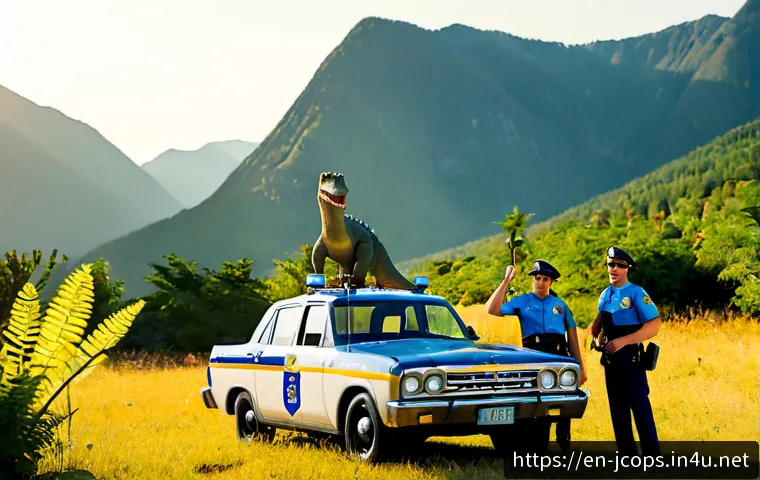
I’ve personally seen how tapping into their passions can transform mundane lessons into thrilling discoveries. Think about it: shows like “Jurassic Cops,” with their fantastic world of transforming dinosaur robots battling evil, aren’t just about entertainment; they’re packed with untapped potential to spark curiosity in everything from science and technology to teamwork and problem-solving.
In today’s digital age, where engaging content is king, we have this amazing opportunity to connect what they love on screen to real-world learning, making education an adventure they’ll actually want to dive into.
It’s all about making learning feel like an epic mission, not a chore. I’m so excited to share how you can harness this dynamic energy! Let’s dive deeper into it below!
Igniting Curiosity Through Their Favorite Worlds
It’s truly astounding how a show like “Jurassic Cops” can completely captivate a child’s imagination. As a parent and educator myself, I’ve seen firsthand how their eyes light up when their favorite transforming dinosaur robots spring into action, battling nefarious forces.
And you know what? That incredible energy isn’t just for passive entertainment; it’s a goldmine for sparking genuine curiosity. We often worry about screen time, but what if we could flip the script and use it as a launchpad for real-world learning?
I’ve found that when kids are genuinely invested in a story, they’re far more open to exploring the underlying concepts. It’s like their brains are already warmed up, ready to soak in new information because it’s tied to something they already adore.
Instead of saying, “Let’s learn about engineering,” which can sound a bit dry, we can ask, “How do you think Rex-Blaster transforms so quickly?” or “What kind of power makes Pterodactyl-Flight fly?” These aren’t just questions; they’re invitations to an adventure that directly relates to their on-screen heroes.
I’ve personally watched my own kids dive into books about mechanics or even experiment with simple gears after being inspired by their favorite characters’ transformations.
It’s about leveraging their existing passions to make learning feel less like a chore and more like an extension of their play.
Tapping into Existing Passions for Deeper Engagement
When we connect new information to something kids already love, the absorption rate is just incredible. My daughter, for example, wasn’t particularly interested in geology until we started talking about where the “Jurassic Cops” might find their power crystals or how ancient dinosaur fossils might inform their robot designs.
Suddenly, rocks weren’t just rocks; they were clues to a deeper mystery, a part of her heroes’ origin story. This isn’t just about making learning “fun”; it’s about making it meaningful and relevant.
When children feel a personal connection to the subject matter, their intrinsic motivation skyrockets, and that’s when real, lasting learning happens.
I feel strongly that educators and parents have an incredible opportunity here to bridge the gap between entertainment and education, transforming passive viewing into active, inquisitive exploration.
It’s about meeting them where they are and guiding them to new horizons.
From Screen Time to STEM Exploration
Think about the sheer amount of STEM concepts embedded in a show like “Jurassic Cops”! The transforming robots, the futuristic gadgets, the strategies for defeating villains – it’s all fertile ground for discussions about physics, engineering, and even basic programming.
I’ve often used episodes as a jumping-off point for simple experiments. For instance, after watching a high-speed chase, we might talk about friction or aerodynamics.
Or, when a robot performs a complex transformation, we could explore levers and pulleys with household items. It’s not about turning every moment into a lesson, but about gently nudging their natural curiosity towards the scientific principles at play.
This way, science isn’t just a subject in school; it’s the invisible force powering their favorite heroes, making the abstract wonderfully concrete and accessible.
It transforms passive viewing into a practical, hands-on learning experience that sticks.
Decoding STEM Superpowers in Every Episode
It’s truly fascinating to break down how much science, technology, engineering, and math are baked into the DNA of shows like “Jurassic Cops.” When the Rex-Blaster transforms from a T-Rex into a high-tech fighting machine, it’s not just visual magic; it’s an incredible, albeit fictional, display of mechanical engineering.
My personal experience has shown me that kids are sponges for this kind of information when it’s presented in a context they understand and love. We can easily transition from watching a robot assemble itself on screen to discussing gears, hydraulics, or even the basic principles of coding that might make such a transformation possible.
This isn’t about lecturing; it’s about sparking questions. “How does that arm move like that?” or “What makes him so strong?” These simple inquiries open doors to exploring complex topics in a way that feels natural and exciting.
I’ve noticed that when I frame these discussions around their favorite characters, the information just clicks better, making abstract scientific concepts wonderfully tangible.
Exploring the Engineering Marvels of Transforming Robots
The core appeal of “Jurassic Cops” often lies in its incredible transforming robots. From the intricate articulation of a dinosaur leg becoming a missile launcher to the seamless integration of individual components, these visuals are ripe for engineering discussions.
I’ve had countless conversations with kids about how they think these transformations work. We’ve talked about pivot points, levers, and even simple circuit boards that might control such movements.
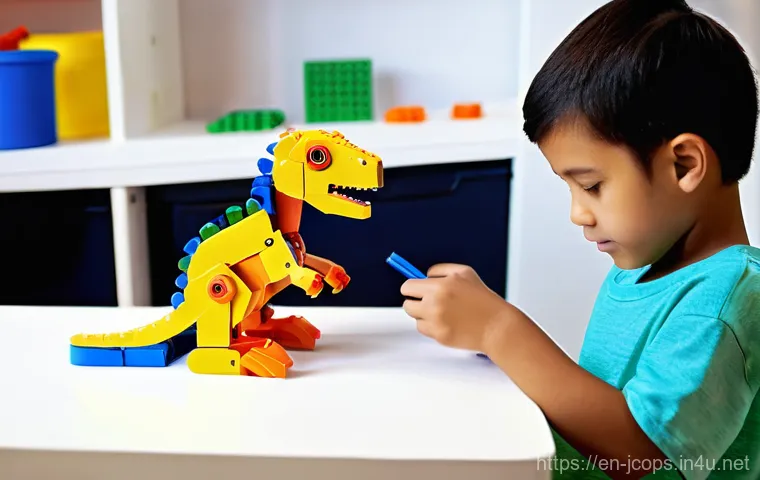
We even tried to build rudimentary transforming toys from LEGOs or cardboard, mimicking the on-screen action. This hands-on approach, directly inspired by their heroes, makes engineering less of an abstract concept and more of a practical, creative challenge.
It teaches them about design, problem-solving, and the satisfaction of seeing an idea come to life, even in a small way.
Uncovering Physics and Biology in Dino-Bot Dynamics
Beyond the transformations, the very nature of dinosaur robots fighting evil brings a wealth of physics and biology into play. How fast can a Pterodactyl-Flight robot fly?
What kind of force does a Tricera-Charge need to break through an obstacle? These questions naturally lead to discussions about aerodynamics, momentum, and kinetic energy.
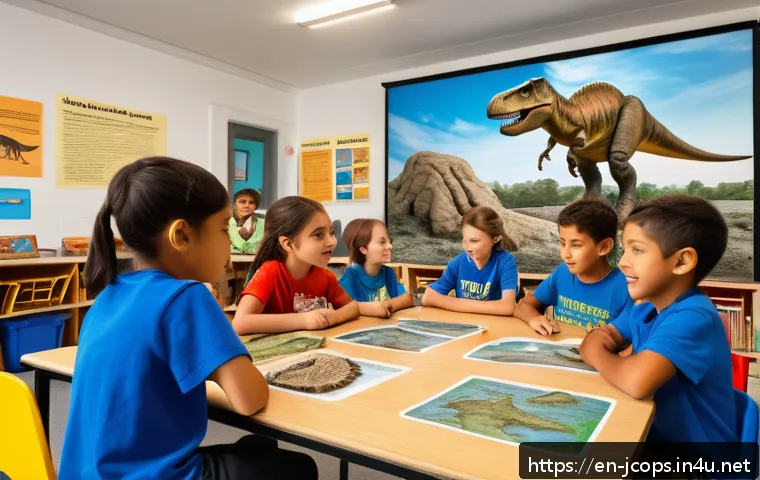
And let’s not forget the dinosaur aspect! We can delve into paleontology, discussing the real dinosaurs that inspired these characters, their habitats, and their unique adaptations.
Comparing the fictional robot abilities to the real-life biology of their ancient counterparts adds another layer of learning. I’ve personally seen kids become fascinated by fossils after connecting them to the “Jurassic Cops” universe, making ancient history exciting and relevant to their modern interests.
Beyond the Screen: Bringing Adventures to Life
The true magic happens when the inspiration from “Jurassic Cops” spills over from the screen into real-world activities. I’m a firm believer that the best learning happens when children are actively engaged, and what better way to do that than to extend their beloved narratives into hands-on experiences?
We can create entire worlds in our living rooms or backyards, inspired by the show’s themes. Imagine building a “dinosaur lab” where kids can excavate toy fossils, or setting up a “robot factory” using recycled materials.
These activities aren’t just playtime; they’re rich learning opportunities that enhance fine motor skills, encourage imaginative play, and reinforce concepts introduced in the show.
My own kids have spent hours designing “upgrades” for their imaginary Jurassic Cops, sketching out blueprints and explaining the functionality of each new addition – it’s incredible how much they learn about design and engineering without even realizing it.
Crafting and Building: Hands-On STEM Projects
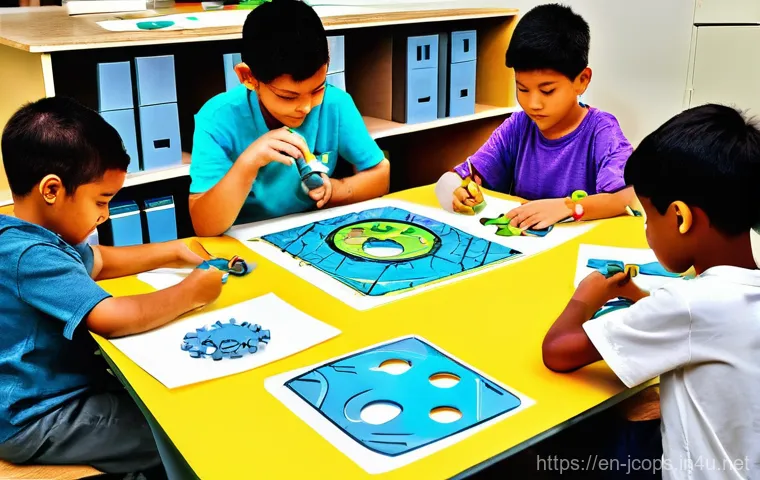
One of my favorite ways to capitalize on the “Jurassic Cops” fever is through crafting and building projects. We’ve repurposed cardboard boxes into transforming robot suits, used clay to sculpt new dinosaur species, and even created “energy crystals” with rock candy experiments.
These projects allow children to bring their ideas to life, developing their creativity and problem-solving skills. They learn about structural integrity when building a robot arm that needs to actually move, or about chemical reactions when making a fizzy “volcano” for their dinosaur habitat.
I’ve seen kids meticulously plan out their designs, troubleshoot problems when something doesn’t work quite right, and proudly display their creations.
It’s a fantastic way to reinforce concepts learned visually and translate them into tangible outcomes.
Outdoor Expeditions and “Dino-Hunts”
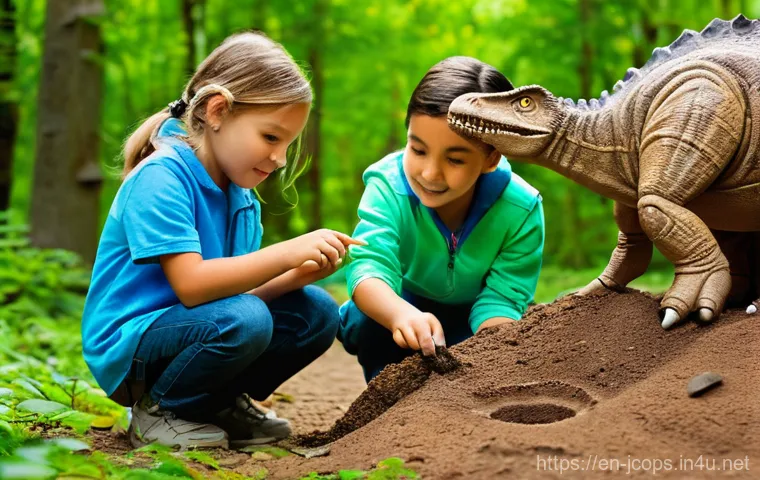
Taking the adventure outdoors is another brilliant strategy. Inspired by the dinosaur element of “Jurassic Cops,” we’ve gone on “dino-hunts” in local parks, searching for interesting rocks, leaves, or even animal tracks, pretending we’re paleontologists on a mission.
We discuss ecosystems, local wildlife, and the importance of preserving nature, all framed within the exciting context of the show. We might even set up a mini “obstacle course” inspired by the challenges the Jurassic Cops face, encouraging physical activity and strategic thinking.
These outdoor explorations foster a deeper connection to the natural world and allow for imaginative play that builds physical coordination and teamwork.
It’s a wonderful way to blend fresh air and active learning.
| Learning Opportunity | “Jurassic Cops” Inspiration | Real-World Connection |
|---|---|---|
| Engineering Principles | Robot Transformations, Gadget Designs | Gears, Levers, Hydraulics, Basic Coding |
| Paleontology & Biology | Dinosaur Forms, Ancient Settings | Fossil Studies, Ecosystems, Animal Adaptations |
| Problem-Solving & Strategy | Battling Villains, Mission Planning | Critical Thinking, Strategic Game Play, Teamwork |
| Creative Arts & Design | Drawing New Robots, Storytelling | Sketching, Model Building, Narrative Development |
| Environmental Awareness | Protecting Habitats, Resource Management | Conservation, Recycling, Nature Exploration |
Nurturing Critical Thinking and Creativity
Beyond the cool robots and epic battles, “Jurassic Cops” is a fantastic vehicle for cultivating critical thinking and fostering creativity in our young learners.
I’ve always believed that the best shows do more than just entertain; they make you think, question, and imagine. When kids watch their heroes strategize to defeat a villain, they’re not just observing; they’re subconsciously processing problem-solving techniques, cause-and-effect scenarios, and even ethical dilemmas.
My kids and I often pause episodes to discuss, “What would you do in this situation?” or “Why do you think the villain chose that plan?” These conversations are gold, encouraging them to analyze situations, predict outcomes, and even come up with alternative solutions.
It’s about empowering them to be active participants in the narrative, not just passive viewers, which in turn sharpens their analytical minds and fuels their creative engines.
Analyzing Plotlines and Character Development
Shows like “Jurassic Cops,” with their ongoing sagas and evolving characters, provide a wonderful framework for discussing plot development and character arcs.
We can talk about why certain characters make the choices they do, how their actions impact the story, and what lessons can be learned from their successes and failures.
This kind of analysis isn’t just about literary appreciation; it’s about understanding motivations, consequences, and the complexities of human (or robot-dinosaur) nature.
I’ve noticed that kids who engage in these discussions become more empathetic and develop a keener eye for storytelling, which translates into better comprehension and even stronger writing skills when they tackle their own narratives.
It’s a subtle but powerful way to build foundational literacy skills.
Imagining and Innovating: Their Own “Jurassic Cops” World
Perhaps the most exciting aspect is the creative spillover. Once kids are immersed in the “Jurassic Cops” universe, their imaginations often run wild, inspiring them to create their own stories, characters, and even episodes.
We’ve had countless sessions where my kids draw new transforming dinosaurs, invent their own super-villains, or write short stories about new missions.
This creative output is invaluable. It helps them develop narrative structures, practice their writing and drawing skills, and build confidence in their own ideas.
I’ve even encouraged them to pitch their ideas to me, fostering presentation skills and the ability to articulate their vision. It’s a testament to how popular culture, when properly engaged with, can become a powerful catalyst for original thought and imaginative play, nurturing the next generation of storytellers and innovators.
The Social-Emotional Lessons Hiding in Plain Sight
It’s easy to get caught up in the flashy action and cool transformations of “Jurassic Cops,” but beneath the surface, these shows often weave in vital social-emotional lessons that can deeply resonate with children.
I’ve always found that kids are more receptive to these nuanced messages when they come from characters they admire and stories they love. Themes like teamwork, perseverance, and even dealing with failure are constantly present.
For example, when the Jurassic Cops face a seemingly insurmountable challenge and have to work together, each bringing their unique strengths to the table, it’s a powerful illustration of collaboration.
My own kids have learned a lot about what it means to be a good friend and teammate by watching how their favorite characters interact and support each other, even when things get tough.
These aren’t explicitly taught lessons; they’re absorbed through observation and discussion, becoming ingrained values rather than rigid rules.
Teamwork, Leadership, and Conflict Resolution
The dynamics within the “Jurassic Cops” team itself offer rich opportunities to discuss social skills. How do the different robot dinosaurs, each with their own personality and abilities, learn to work together seamlessly?
Who takes the lead in different situations, and why? What happens when there’s a disagreement, and how do they resolve it to achieve their common goal?
These are all real-world questions that children face in their own friendships and school environments. By dissecting these moments in the show, we can help kids understand the importance of listening, compromising, and recognizing each other’s strengths.
It provides a safe, relatable context for exploring complex social dynamics, preparing them for similar challenges in their own lives.
Empathy, Resilience, and Overcoming Adversity
Shows like this also often feature characters who face personal struggles, moments of doubt, or even outright failure before ultimately succeeding. These narratives are incredibly important for building empathy and resilience.
When a Jurassic Cop character struggles with a new transformation or makes a mistake, children learn that it’s okay not to be perfect and that effort and perseverance are key.
We can discuss how the characters feel, why they might feel that way, and how they overcome their challenges. This helps children develop a stronger sense of empathy for others and teaches them the invaluable lesson that setbacks are a natural part of growth.
I’ve seen how these stories inspire kids to keep trying, even when faced with their own frustrations, knowing that their heroes also had to work hard to achieve their goals.
Making Learning Stick: Strategies for Lasting Engagement
Okay, so we’ve talked about all the amazing learning opportunities, but how do we make sure these lessons actually stick? It’s not enough to just point out the science in a transforming robot; we need strategies that foster long-term retention and genuine interest.
My secret sauce has always been integrating these moments into a consistent, natural flow, almost like background music to their everyday lives. It’s about creating an environment where curiosity is always welcome and questions are celebrated, rather than just waiting for a dedicated “learning time.” Think about it: if every time your child asks “Why?” you turn it into a mini-exploration tied to their favorite show, they’re going to keep asking, and they’re going to keep learning, seamlessly.
It’s about building bridges from their play to deeper understanding.
Consistent Reinforcement Through Play and Discussion
The key to making learning stick is consistent reinforcement. This doesn’t mean drilling facts, but rather gently weaving in concepts during playtime, mealtime conversations, or even during car rides.
If we just watched an episode where a dinosaur robot used its super strength, we might later talk about “super strength” in real animals or even how a forklift works.
Or, if a character demonstrated ingenuity, we can praise our child’s own clever solutions to everyday problems, linking it back to their hero. By revisiting themes and ideas from “Jurassic Cops” in different contexts, we help solidify the learning and demonstrate its relevance beyond the screen.
It becomes a shared language, a common ground for exploration that makes knowledge feel alive and applicable.
Creating Learning Hubs Inspired by Pop Culture
Another highly effective strategy I’ve personally employed is creating dedicated “learning hubs” or themed spaces in our home. This doesn’t have to be anything elaborate!
It could be a corner with books about dinosaurs, a small workbench for engineering projects, or a “mission control” area for planning pretend adventures.
Stocking these spaces with relevant materials – be it books, craft supplies, or even simple science kits – that connect to the themes of “Jurassic Cops” makes learning an inviting and accessible activity.
When the tools for exploration are readily available and tied to their favorite universe, kids are far more likely to engage independently and deeply.
It transforms passive interest into active discovery, turning a part of your home into a dynamic learning laboratory, always ready for the next great adventure.
Wrapping Things Up
Whew! It’s been quite the journey exploring how our kids’ favorite shows, like “Jurassic Cops,” aren’t just entertainment but incredible springboards for learning and growth. As a parent who’s navigated countless screen time dilemmas, I’ve found immense joy and satisfaction in transforming those moments into genuine opportunities for discovery. It’s truly amazing to witness their eyes light up, not just at a cool transformation sequence, but at the “aha!” moment when they connect it to a real-world concept. This isn’t about turning every single viewing into a lecture; it’s about gently nudging their innate curiosity, meeting them in their world, and showing them that learning can be just as thrilling as an epic dinosaur-robot battle. When we tap into their passions, we unlock a universe of potential. So next time your little one is glued to the screen, remember, you’ve got a secret weapon in your parenting arsenal: their boundless imagination, ready to be ignited by the very stories they adore. Let’s make learning an adventure they can’t wait to embark on, fueled by their heroes!
Helpful Tips to Keep in Mind
Here are some quick, actionable tips I’ve picked up over the years to truly maximize these pop culture learning opportunities:
1. Ask Open-Ended Questions: Instead of just stating facts, encourage them to think! Questions like “How do you think that works?” or “What would you do in that situation?” spark critical thinking and deeper engagement, turning passive viewing into active discussion.
2. Connect to Real-World Examples: Bridge the gap between fiction and reality. If a robot is flying, talk about planes or birds. If they’re problem-solving, relate it to a challenge your child faced and overcame. This makes abstract concepts tangible and relevant.
3. Encourage Hands-On Exploration: Turn screen inspiration into creation. Break out the LEGOs, craft supplies, or even kitchen ingredients for simple science experiments. Building and making solidify understanding in a way that just watching can’t.
4. Visit Related Locations: If a show features dinosaurs, take a trip to a natural history museum. If it’s about outer space, a local observatory or even just stargazing can make the learning feel expansive and real. These outings deepen their understanding and create lasting memories.
5. Foster Their Own Storytelling: Encourage them to create their own “episodes,” draw new characters, or write fan fiction. This not only boosts their creativity and literacy skills but also shows you value their ideas and insights, building confidence in their own imaginative worlds.
Key Takeaways for Parents and Educators
Ultimately, the core message here is about harnessing the immense power of children’s interests to drive meaningful learning. We’ve seen how shows like “Jurassic Cops” are more than just entertainment; they’re rich tapestries woven with threads of STEM, social-emotional development, and narrative brilliance. By actively engaging with these stories alongside our children, we can transform passive screen time into dynamic educational experiences. Remember, the goal isn’t to turn every moment into a formal lesson, but to foster an environment where curiosity is celebrated, questions are encouraged, and learning feels like an organic extension of play. We have the incredible opportunity to be facilitators, guiding them to connect their beloved fictional worlds with the wonders of the real one. Embrace the fun, lean into their passions, and watch as their imaginations become powerful engines for discovery. This approach not only makes learning more effective but also strengthens our bonds by sharing in their joyful explorations. Let’s make every adventure, on-screen and off, a stepping stone to a lifetime of inquisitive learning.
Frequently Asked Questions (FAQ) 📖
Q: So, how do I actually start turning my kids’ favorite shows, like “Jurassic Cops,” into real learning moments without it feeling forced or like more school?
A: Oh, this is such a fantastic question, and one I get all the time! The key, from my personal experience, is to keep it playful and organic. Don’t think of it as “lesson time” right after the show.
Instead, let the inspiration come naturally. For instance, if your kids are buzzing about “Jurassic Cops” and those amazing transforming dino-robots, you could playfully ask, “Hey, how do you think that robot really transforms?
What kind of gears or circuits do you think are inside?” Suddenly, you’re dabbling in engineering and mechanics without even opening a textbook! Or, after an episode where the heroes need to solve a puzzle, grab some building blocks or even just paper and pens and say, “Let’s create our own ‘Jurassic Cops’ mission!
What challenge do we need to overcome today?” You’d be amazed how quickly they dive into problem-solving, creative writing, and even basic physics experiments.
I’ve found that creating a ‘discovery corner’ in your home, maybe with some craft supplies, a magnifying glass, or even a simple globe, can really foster that curiosity.
When they see a dinosaur or a futuristic gadget on screen, you can then gently steer them towards exploring the real-world science behind it with tools that are already at hand.
It truly feels like an adventure when it’s sparked by their own passions, not by a syllabus.
Q: What kind of specific skills or subjects can kids really pick up from engaging with pop culture in this way, beyond just knowing more about their favorite characters?
A: That’s where the magic truly happens, isn’t it? It goes so much deeper than just character names! When we tap into shows like “Jurassic Cops,” we’re unlocking a treasure trove of educational opportunities.
I’ve personally witnessed kids developing incredible critical thinking skills as they predict plot twists or analyze why a character made a certain decision.
Imagine them discussing the ethics of the ‘evil’ robots – suddenly, they’re engaging in complex moral reasoning! Their vocabulary expands dramatically as they encounter new words in exciting contexts, whether it’s scientific terms for dinosaurs or technological jargon for robots.
For science and technology, the possibilities are endless: from exploring paleontology and biology through the dinosaur elements, to understanding basic physics and engineering with the transforming robots.
Teamwork and social-emotional learning are huge too; watching heroes collaborate to save the day naturally encourages discussions about cooperation, empathy, and communication.
And let’s not forget creative writing and storytelling! Kids often want to invent their own “Jurassic Cops” adventures, which is a fantastic way to boost their literacy, imagination, and even public speaking when they share their tales.
It’s about providing a rich, vibrant context that makes abstract concepts tangible and thrilling.
Q: I worry about too much screen time. How can I ensure this approach isn’t just adding more hours in front of a screen, and how do I pick the right content to make this work effectively?
A: I completely hear you on the screen time concern – it’s a very real one for so many parents, myself included! The beauty of this approach is that it’s not about more screen time, but smarter screen time.
Think of the show itself as the ignition, not the entire journey. The goal is to use that initial spark to launch into off-screen, hands-on activities.
My personal rule of thumb is that for every 20-30 minutes of screen time, we aim for at least double that in related real-world exploration. So, after watching an episode of “Jurassic Cops,” instead of immediately starting another, we pivot to building a dino-robot out of recycled materials, drawing a new villain, or even researching what real paleontologists do.
It’s about creating a balanced diet of digital and physical engagement. As for picking the “right” content, here’s my secret: trust your gut and involve your kids!
Look for shows that naturally lend themselves to learning themes – ones with problem-solving, diverse characters, scientific elements, or historical contexts.
Do a quick check for age-appropriateness and positive messages. Beyond that, observe what genuinely captivates your child. When they’re truly invested in a story or characters, their engagement translates seamlessly into curiosity for related topics.
It’s not about finding the “perfect educational show” every time, but rather finding content that excites them enough to want to explore its themes further, turning passive viewing into active, imaginative learning adventures.
It really boils down to using screen time as a jumping-off point for a whole world of discovery, not an end in itself.